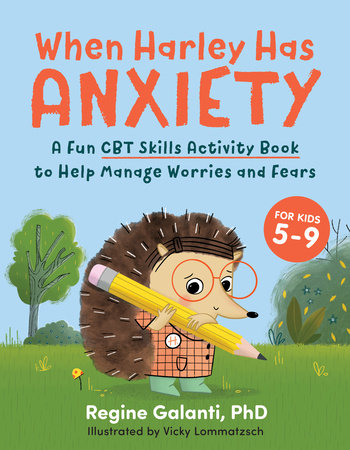
6 Ways to Help Children Manage Anxiety in New Situations
by Regine Galanti, PhD
It’s normal to get anxious in a new situation — and I’m not just talking about kids. I’m a full-grown adult and anxiety psychologist, and when I walk into a room where I don’t know anyone, I still need to take a breath and figure out my first move. When your child has to face something new, here are some concrete steps you can take as a parent to help ease them in.
1. Validate, validate, validate.
Tell your child that what they’re feeling is normal. It is perfectly okay for a child to feel their feelings, even if those emotions aren’t comfortable. Gently commenting on those feelings won’t make them worse—it will actually help your child feel understood. Try something like, “It’s okay to feel worried,” or “It’s hard to try new things sometimes.”
2. Keep a “You can do it!” attitude.
Express full confidence in your child’s ability to manage the situation they are in. Let them know that you believe they can handle the new challenge (even if it is hard). You can say statements like, “You’ve got this,” or “I know you can handle this.”
This confidence will work really well with your validation to show your child that you understand what they’re going through but still know they can do it. It might sound like, “I know you’re worried about going to the birthday party, AND I know you can do it.”
3. Take small steps toward a goal.
Some situations are harder for kids than others. Before you put your child in a new environment, think about whether you believe they can handle it right now. If it is too difficult, set them up for success by breaking up the task beforehand. Then start with a mini-step instead. For example, instead of just dropping your child off at soccer practice, let them know you will stay and watch. For the next week, make a plan to stay for only half of practice and then build toward dropping off and leaving. Make sure to tell the truth — no sneaking off if they seem more comfortable than you expected!
4. Practice makes progress.
For some kids, it’s going to take more than one time to warm up to a new situation. Give your kids time and don’t give up on something just because the first time was a little rough. Most things take a couple tries to get good at. Think of a skill you’ve been working on for yourself and compare it to the first time you tried it. I’d imagine you’re better now than when you first started. Putting kids in a new environment is the same—the more they do it, the easier it will get. If they quit piano after just one lesson, they’re probably never going to learn that it gets easier with time. Set a specific number of practices or lessons in advance and stick to it so your child can learn what happens to their worries when they keep trying.
5. Praise goes a long way.
It feels great when someone tells you they notice your hard work, doesn’t it? Let your child know they are doing an awesome job just by trying something new. Say something like, “I’m so proud of you for going to a new school even though you were worried,” or “Awesome job walking to the bus stop by yourself. I know that was a hard one.” You can praise effort toward a goal, even if your child hasn’t fully gotten to the end goal yet.
6. Check yourself.
As caregivers, it can be tough to see a child worrying. Children are emotional sponges; they pick up on what the adults in their lives are feeling. Make a plan to manage your emotions so that you can help your child through a new situation. Remind yourself that your child is safe—you wouldn’t put them in a dangerous situation. We can’t protect children from their feelings because feelings are natural, but we can help them through their feelings by supporting, validating, and giving them confidence.
-
Shop the Book:
-