
How To Explain Alzheimer’s and Dementia To Kids (+ Books That Help)
by Lindsay Barrett
Watching a loved one experience the mental, emotional, and eventually physical changes associated with Alzheimer’s disease and other dementias is a heartbreaking struggle for millions of families. Many adults wonder how best to talk to children when it’s a beloved grandparent, relative, friend — or, in devastating younger onset cases, even a parent — with one of these conditions. How do you provide information in a way that fits your child’s particular needs? How can you honor a child’s feelings, especially as he or she copes with the reality that a loved one will not get better?
Experts advise open, supportive communication and continuing to forge relationships between young people and those with Alzheimer’s and other dementias even as the disease progresses. Consider these tips and resources for doing so: These expert-backed tips and children’s books can help families start difficult conversations and maintain meaningful connections.
How To Explain Alzheimer’s and Dementia To Children
Children are perceptive and inevitably will ask, “What’s wrong?” It may help very young children to compare brain deterioration to other age-related changes, such as vision or hearing loss. You’ll have to be honest, though. Unlike providing glasses or hearing aids, there’s ultimately nothing that can be done to “fix” a loved one’s brain. Reassure children that Alzheimer’s and other dementias are not contagious and were not caused by anyone.
The Alzheimer’s Association provides a Parent’s Guide and resources for older children ready for more detailed information. Will your child want scientific explanations of brain changes? Will he or she be comforted to learn about fundraising and research initiatives, or discouraged that these won’t change their immediate situation? Preview what’s available and share what you think is the best fit without being overwhelming.
What Kids Need to Know About Alzheimer’s
• It is a disease that affects the brain.
• It is not contagious.
• It is not anyone’s fault.
• People with Alzheimer’s still love their families.
• Spending time together still matters.
Children’s Books About Alzheimer’s and Dementia
Children will likely experience a range of emotions — confusion, frustration, fear, anger, resentment, or all of the above. Stories like those below can initiate conversations and help children feel less alone:
-

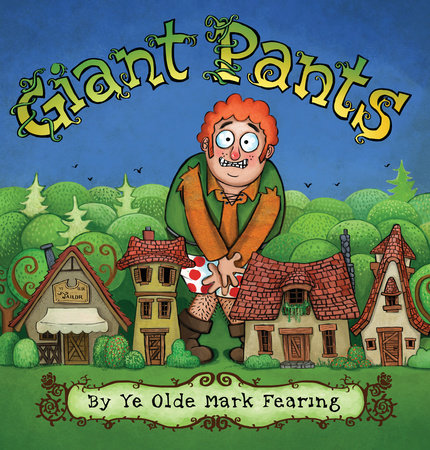
Giant Pants
Buy from:Belbum the giant is hilariously forgetful, especially when he misplaces his pants and must walk through the village in his polka-dot underwear. His friends are kind and helpful, though, modeling responses applicable to real life. If your child is very young or your loved one’s illness is in an early or moderate stage, conversations on this topic could be a useful first step.
(Ages 3 - 7)Buy from: -
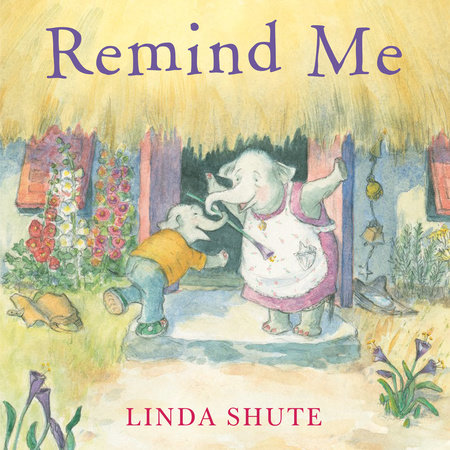
Remind Me
Buy from:Elephants have excellent memories, but what happens when grandma starts to forget? At first, Big Ella forgets little things, but her memory loss gradually balloons until her grandson Eldon gets worried. With love and patience, Eldon helps his grandmother as best he can. This heartfelt story addresses memory loss with tenderness.
(Ages 4 - 8)Buy from: -
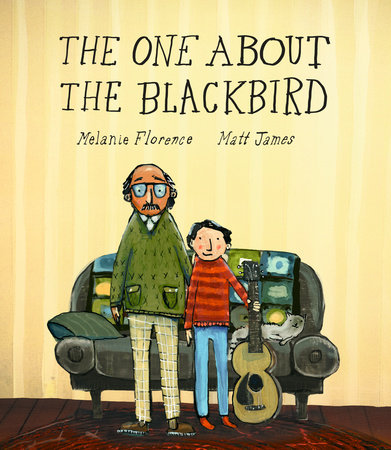
The One About the Blackbird
Buy from:When Jack wants to learn how to play the guitar, his grandfather agrees to teach him. As Jack stumbles through his first frustrating lessons, his grandfather patiently helps and guides him. So, when his grandfather’s memory declines, Jack decides to return the favor, and the two spend a joyful time playing the guitar together. This sweet book is about music, art, and the connections they facilitate.
(Ages 4 - 8)Buy from: -
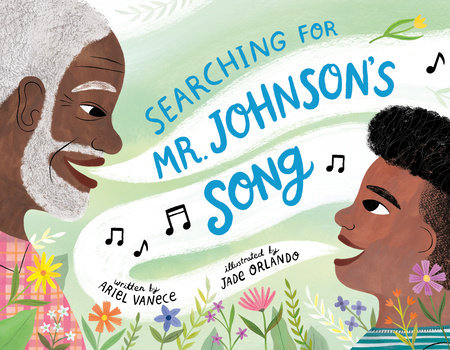
Searching for Mr. Johnson’s Song
Buy from:Caius loves spending time with his elderly neighbor, Mr. Johnson. But when Mr. Johnson can’t remember his favorite song past the first few lines, Caius decides to help him find the rest of it. He searches through the library shelves and recordings until he stumbles across the song in an unexpected place.
(Ages 5 - 8)Buy from: -
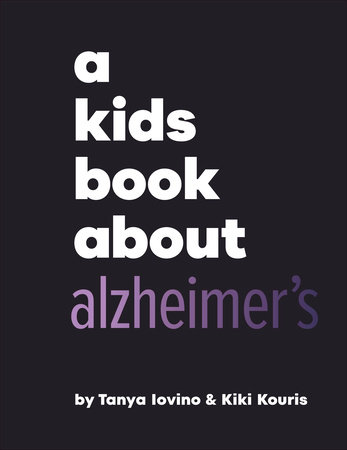
A Kids Book About Alzheimer's
Buy from:Alzheimer’s disease can be scary for kids to learn about, but this nonfiction book takes the mystery out of the illness. Through bold, simple text, kids will learn about the disease and how it affects both those who have it and their loved ones.
(Ages 5 - 9)Buy from: -
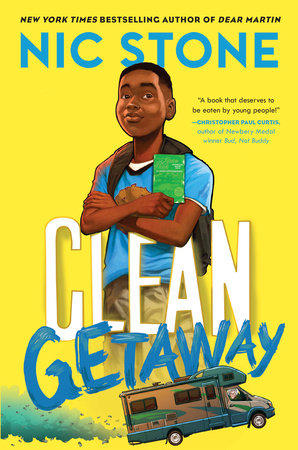
Clean Getaway
Buy from:When Scoob gets suspended from school, his unpredictable G’ma whisks him away on an impromptu road trip through the American South. Along the way, he learns about the people and places that made history during the Civil Rights Movement. Although it plays a minor role in the story, G’ma’s memory loss is essential to the plot.
(Ages 8 - 12)Buy from: -
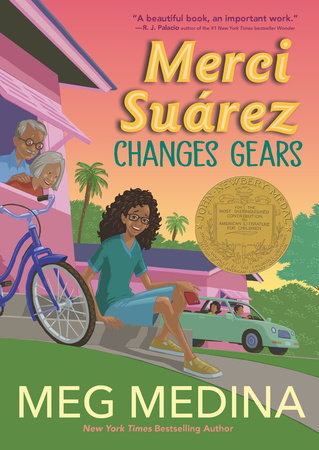
Merci Suárez Changes Gears
Buy from:Middle school is challenging enough for Merci, who deals with friendship drama, mean girls, and being an outsider. But when her grandfather’s cognitive abilities decline and upset her idyllic home life, Merci’s stress levels rise dramatically. This Newbery Medal-winning novel is a must-read for anyone who loves someone with dementia.
(Ages 9 - 12)Buy from: -
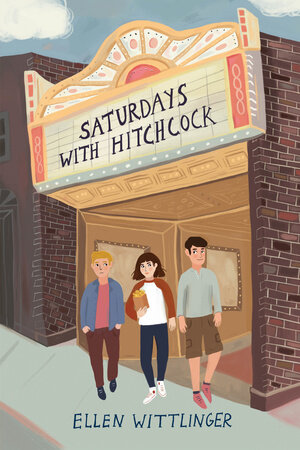
Saturdays with Hitchcock
Buy from:Movies and first romance combine in this coming-of-age novel for middle grade readers. With two boys vying for Maisie’s attention and her grandmother’s memory failing, she turns to her visiting Uncle Walt for guidance. Readers who enjoy realistic fiction, love triangles, and movies will relate to this heartfelt story.
(Ages 10+)Buy from: -
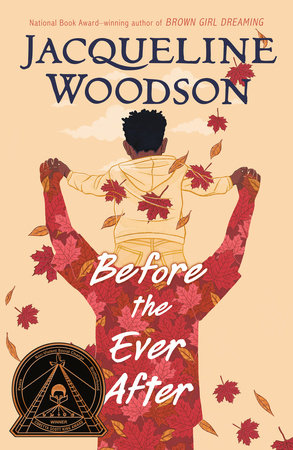
Before the Ever After
Buy from:While this book isn’t about dementia, it deals with the impact of severe memory loss on a family. ZJ is the child of a former football player, who sustained significant brain injuries in the NFL. As his father becomes more forgetful and temperamental, ZJ must learn how to mourn the loss of the dad he knew, honor the past, and hold tight to his community.
(Ages 10+)Buy from: -
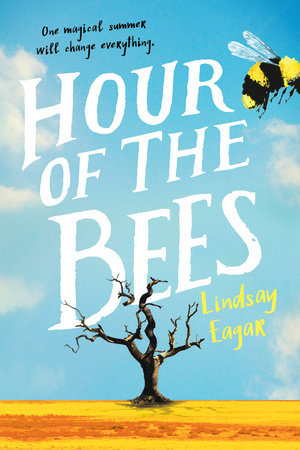
Hour of the Bees
Buy from:Spending the summer before seventh grade cleaning out her grandfather’s drought-ridden sheep ranch so he can move into an assisted living facility is the last thing Carol wants to do. Even as he slides further into his dementia, though, her grandfather’s stories turn out to be more magical than she ever expected.
(Ages 10 - 14)Buy from:
Activities Kids Can Do With a Loved One Who Has Dementia
Facilitating ways for children to spend time with loved ones with Alzheimer’s and dementia can be healing for everyone, with a supportive approach. Kids may worry, “He’s not Grandpa anymore,” but as expert Dr. Peter Rabins shares, “…you can be a wonderful grandparent and not remember the name of the grandchild you adore. You can be with people you love and enjoy them, even if you’re not following the whole conversation.”
Coaching children to patiently answer the same question multiple times, or accept loved ones’ realities in the moment — if they confuse names or details, for instance — can prepare kids to navigate some of the unfortunate realities of the disease. Experts suggest choosing activities to share that don’t require short-term memory, such as coloring, simple games, taking walks, looking at family photos and sharing old stories, or enjoying music. Help children reflect on their experiences and celebrate connection in whatever shape it can take.
Heartfelt thanks to Dr. Robert Santulli, co-author of The Emotional Journey of the Alzheimer’s Family, and Jeffrey Robbins, L.I.C.S.W. and founder of National Alzheimer’s Buddies, for their input on this article.
Editor’s Note: This article was originally published in 2018 and updated in 2026.