
Books for Kids About the Immigrant Experience in America
by Laura Lambert
“This was the secret of America: a nation of people with the fresh memory of old traditions who dared to explore new frontiers, people eager to build lives for themselves in a spacious society that did not restrict their freedom of choice and action.”
—John F. Kennedy, A Nation of Immigrants
Just as true when JFK wrote it as it is today: We live in a nation of immigrants. But what does that mean to a 3-, 6-, or 12-year-old? Maybe they’ve heard about the wall that the president wants to build between the U.S. and Mexico. Or the proposed ban on Muslims entering the United States. Maybe they know someone who recently immigrated to the U.S. — and who is struggling to fit in. Maybe immigration is part of their family’s story — or their own.
In my family, almost every single person on my mother’s side is a U.S. immigrant. They came in waves from Seoul, South Korea, the first one in 1951 and the rest following in the ’70s, ’80s, and ’90s. More recently, my older great aunts, distant uncles, and second cousins are moving back to Korea — a boomerang-like twist on the age-old immigrant tale.
I asked my 9-year-old daughter what she knew about immigration. To her, it’s about different-sounding names, different-tasting food, different-looking clothes — and her life is the richer for it. Here are some books to inspire us all to think deeper about our fellow Americans, their stories, and experiences.
-
Picture Books
-

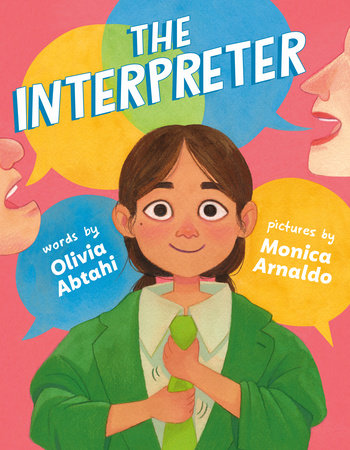
The Interpreter
Buy from:As the child of Spanish-speaking parents, Cecilia acts as their translator everywhere they go. While she doesn’t mind helping most of the time, it can also feel overwhelming. When it becomes too much, Cecilia’s family lovingly comes up with a much-needed solution.
Buy from: -
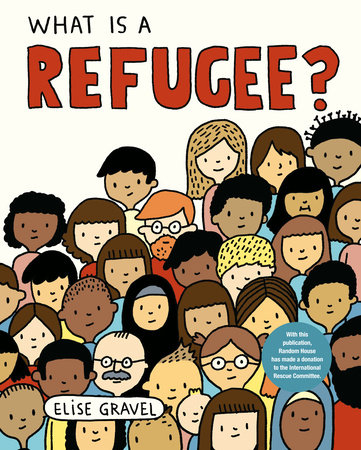
What Is a Refugee?
Buy from:For young readers just learning about the refugee experience, Elise Gravel offers an accessible and affirming introduction; she also addresses why refugees must leave home and how readers can make their community a more welcoming one. The book opens with perhaps the most important message of all, in response to the titular question: “A refugee is a person, just like you and me.”
Buy from: -
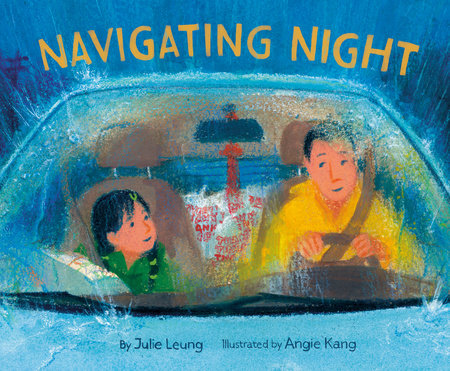
Navigating Night
Buy from:This heartfelt story is a must-read for children of first-generation immigrants. It’s about a little girl who spends her nights helping her Cantonese-speaking father with the GPS directions on his food delivery route. At first, she dislikes everything about her father’s job. However, as she learns about how he immigrated to the United States, she comes to appreciate his sacrifice and the opportunities it offers her.
Buy from: -
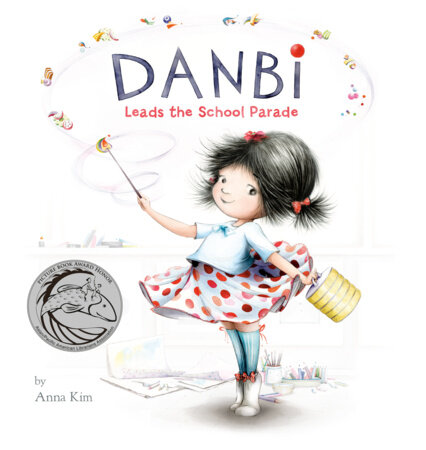
Danbi Leads the School Parade
Buy from:On her first day at her new American school, Danbi has trouble understanding her teacher’s instructions and her classmates’ games. But over lunch, Danbi finds a way to meld her two cultures and create a new game, one everyone can play. An uplifting picture book about finding connection through, not despite, our differences.
Buy from: -
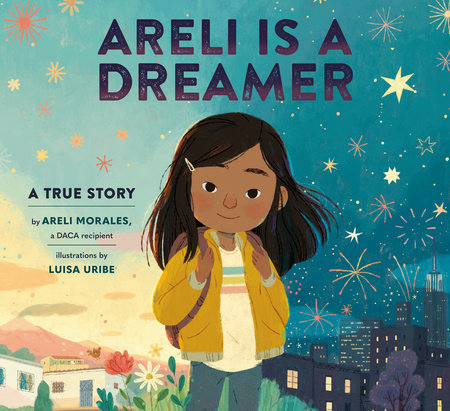
Areli Is a Dreamer
Buy from:Adjusting to life in America is a challenge for 5-year-old Areli. New York is very different from Mexico, but as time goes on, Areli grows to love her new home and the opportunities it offers. This beautiful picture book is a love letter from an immigrant to the country she now calls home.
Buy from: -
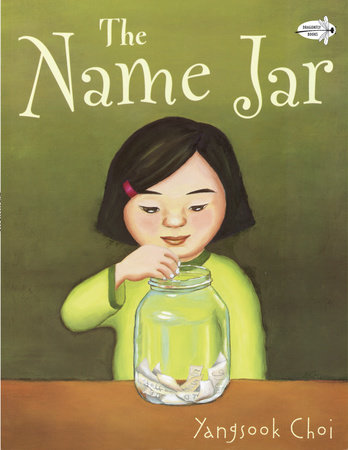
The Name Jar
Buy from:The Name Jar is one of my daughter’s favorite books — even now that she’s moved on to middle grade reads. It’s a familiar immigrant tale of having an unfamiliar name and feeling like an outsider — that is, until someone kind or brave (or both) makes a gesture of inclusion.
Buy from: -
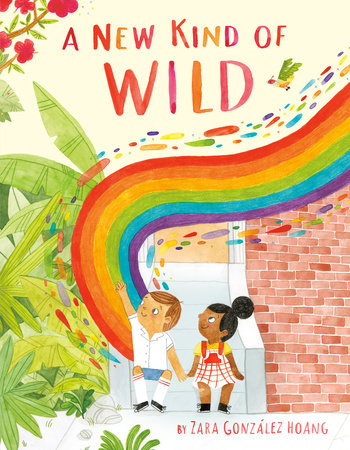
A New Kind of Wild
Buy from:Ren loves his home in Puerto Rico, surrounded by the forest that allows his imagination to run wild. So, when he moves to a city in America, Ren feels lost and unsettled. But when he meets a little girl named Ava, Ren learns that friendship is its own kind of magic.
Buy from: -
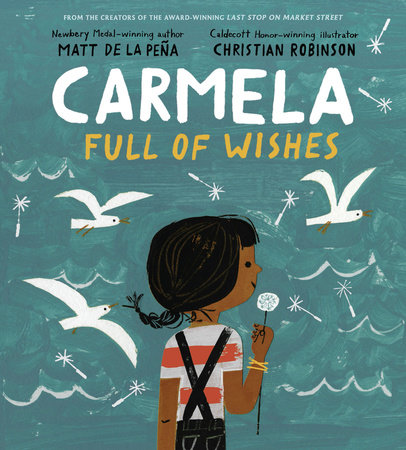
Carmela Full of Wishes
Buy from:From the creators of The Last Stop on Market Street comes another must-read story on immigration and class. When Carmela finds a dandelion to blow, she ponders all the wishes she could make with it. Will she wish for a candy machine? For her mother to sleep in a bed as nice as the ones she makes every day? Or for her father’s papers to be fixed so he can finally come home?
Buy from: -
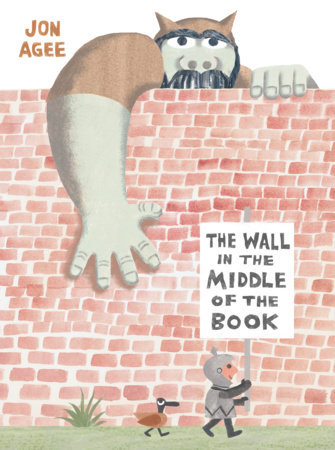
The Wall in the Middle of the Book
Buy from:A knight thinks he is on the “safe” side of a wall that separates the two sides of the book, all the while oblivious to the dangers creeping up on his own side. When an ogre from the other side saves him, he learns that he was too quick to judge. A thoughtful lesson on not making assumptions about people and places you don’t know.
Buy from: -
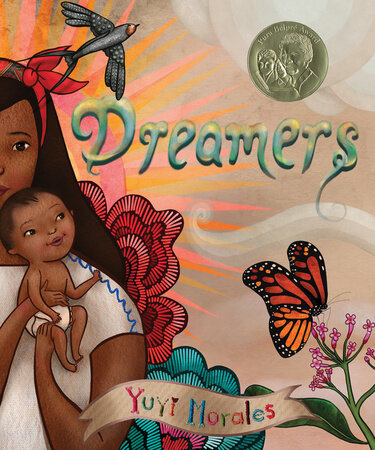
Dreamers
Buy from:In her poignant and intricate picture book memoir, Yuyi Morales, who immigrated to America with her infant son in 1994, captures the experience of starting over in a new land. As Morales writes, leaving everything behind doesn’t mean you bring nothing with you. Your history and family, your dreams and talents — they’re all a part of you, wherever you go.
Buy from: -
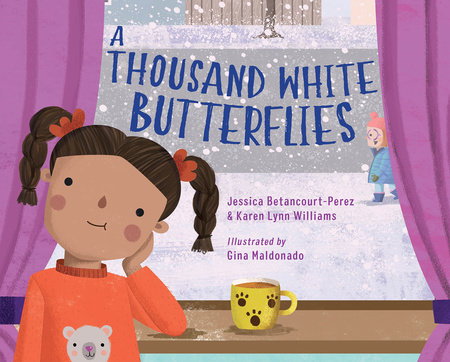
A Thousand White Butterflies
Buy from:When Isabella moves to the United States from Colombia, she misses her home and her father, who still lives there. When her first day of school gets canceled due to a snowstorm, Isabella worries about how she will make friends. But when she ventures outside in the snow, she discovers that friendship can blossom in unexpected places.
Buy from: -
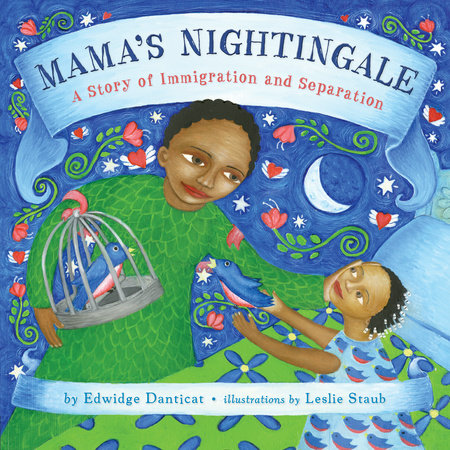
Mama’s Nightingale: A Story of Immigration and Separation
Buy from:Based on the author’s own experience as a child, a little Haitian girl longs for her mother. Held in a detention center for not having immigration papers, Mama records stories inspired by Haitian folklore for Saya to listen to at bedtime. A much-needed book that holds possibility and hope for families caught in these circumstances.
Buy from: -
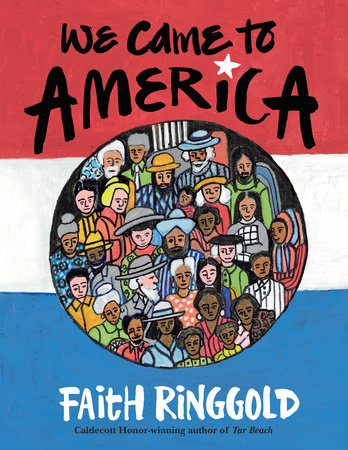
We Came to America
Buy from:We Came to America is a poetic ode to the inherent diversity of the U.S. and an exploration of the many reasons our ancestors immigrated here — willingly and unwillingly, toward hope or away from fear — and the cultural traditions and talents they brought to the melting pot. It’s an essential reminder that, with the exception of Native Americans, whose land we live on, we are all immigrants here.
Buy from: -
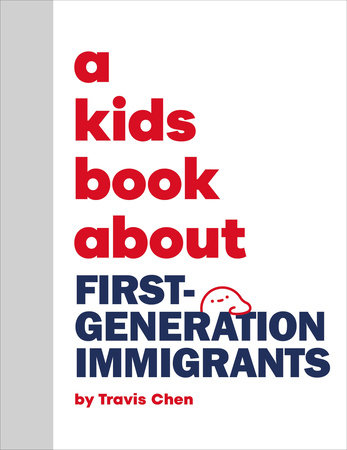
A Kids Book About First Generation Immigrants
Buy from:Written by a first-generation immigrant, this book features large text, simple illustrations, and personal anecdotes to help children understand the immigrant experience. Chen writes about moving to the United States from Taiwan when he was three years old, why his parents made that decision, and how it shaped his identity.
Buy from: -
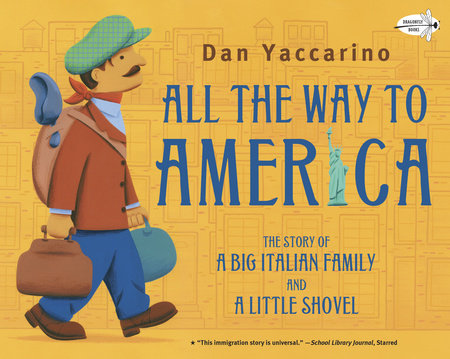
All the Way to America: The Story of a Big Italian Family and a Little Shovel
Buy from:In this Italian-American immigrant story, author Dan Yaccarino shares the story of his own great-grandfather, who arrived at Ellis Island with little more than a shovel and some sage advice — both of which were kept and handed down to four generations of the author’s family. The story is a testament to the bonds many immigrant families strive to keep with their country of origin. In the words of School Library Journal, “This immigration story is universal.”
Buy from:
-
Chapter Books & Middle Grade
-
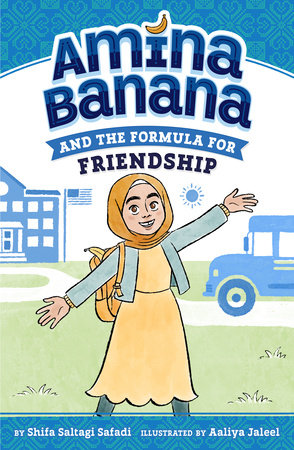
Amina Banana and the Formula for Friendship
Buy from:Amina and her family moved from Syria to Indiana, and although she is still getting used to her new home, she can’t wait to make friends. But Amina soon discovers that starting over in a new place is more challenging than she expected. This upbeat chapter book series for 6- to 9-year-olds highlights the immigrant experience through lighthearted and optimistic stories.
Buy from: -
When Stars Are Scattered
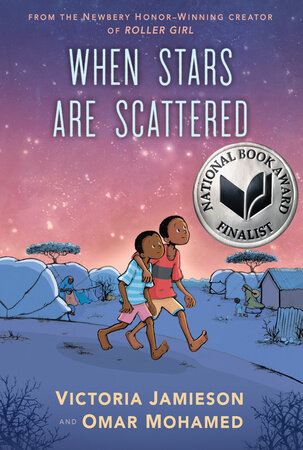
Buy from:Many of those who immigrate to America first spend years in refugee camps while they wait to be granted entry into a new country. Omar Mohamed and his younger brother, Hassan, Somali refugees separated from their parents, spent most of their boyhoods in one such camp. This remarkable graphic memoir unfolds over 15 years, as Omar and Hassan build a life and community in an overcrowded camp before finally resettling in America.
Buy from: -
Kiki and Jacques
Buy from:Twelve-year-old Jacques is already experiencing a lot of change in his life, including the death of his mother, when several Somali refugees move to his small town in Maine. Suddenly, Jacques has competition on the soccer team, and there are other growing pains — for both the locals and refugees — as their community becomes a multicultural one. When Jacques strikes up a friendship with Kiki, one of the refugees, his world begins to expand.
Buy from: -
Warrior Girl
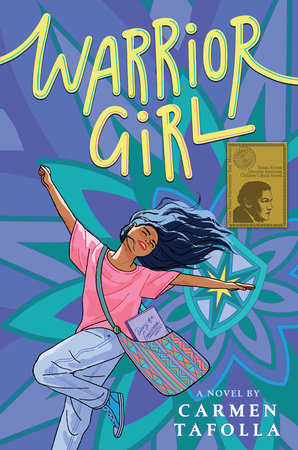
Buy from:In poetic verse, this story follows Celina, a Mexican American girl proud of her heritage, who faces mispronounced names, hurtful assumptions, and her dad’s deportation. With friends and her abuela’s encouragement, she uses her voice and writing to celebrate her identity and belonging.
Buy from: -
A Long Pitch Home
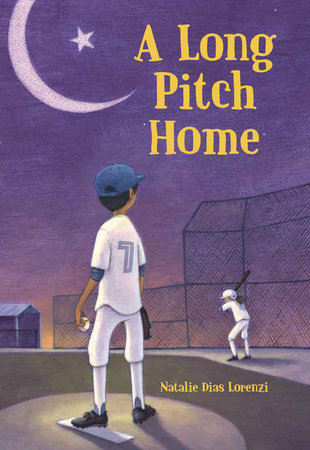
Buy from:When Bilal’s father unexpectedly sends him, his mother, and his two siblings to live with extended family in America, Bilal tries to adjust to his new life. Between learning English, navigating American customs, and missing his father, Bilal also learns to play baseball and makes a new friend. This heartfelt story shows readers what it’s like to move to a new place with an unfamiliar language and culture.
Buy from: -
One Good Thing About America
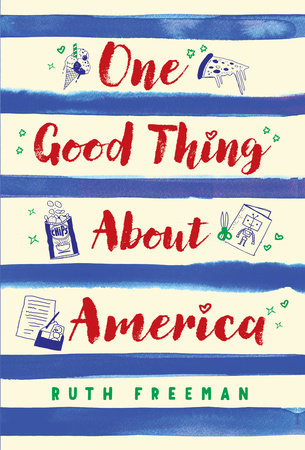
Buy from:Written in letters from 9-year-old Anaïs to her grandmother Oma, One Good Thing About America is a heartfelt and often amusing portrait of a young girl adjusting to life in “Crazy America,” where her classmates’ phrases and customs seem totally strange (and eventually charming). While she gets to know her new culture, Anaïs also misses the family members she had to leave behind.
Buy from: -
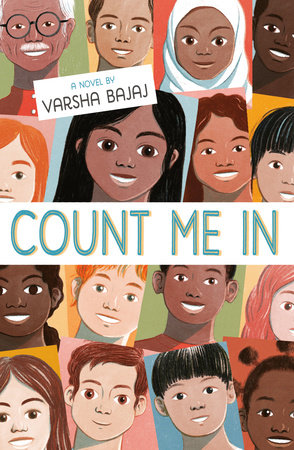
Count Me In
Buy from:Of course, immigrating to a new country is only the beginning of a long journey. Karina Chopra’s grandfather first moved to America in 1968, but even though the U.S. has long been his home, the color of Papa’s skin inspires a hate crime against him. Karina and her neighbor Chris launch an anti-hate campaign on social media, urging their community (with heartening success) to remember that each of us belongs.
Buy from:

-
Young Adult
-
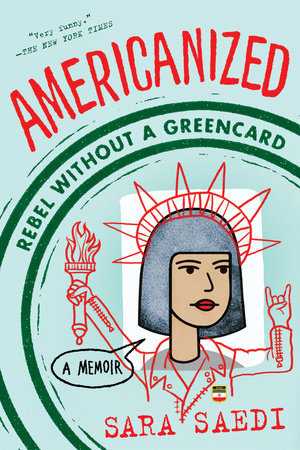
Americanized: Rebel Without a Green Card
Buy from:At 13, Sara is just a regular teenager dealing with first loves, friendship drama, and taming her unibrow. Then she learns she’s an undocumented immigrant. Filled with humor and emotion, Sara’s memoir recounts her typical adolescent struggles alongside her fear of deportation and fight to obtain citizenship.
Buy from: -
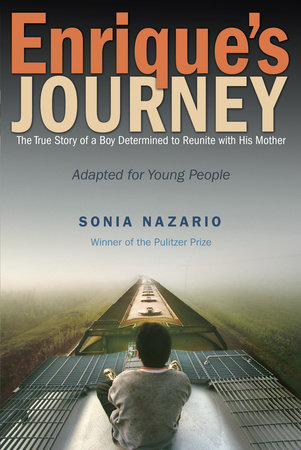
Enrique’s Journey: The True Story of a Boy Determined to Reunite with His Mother
Buy from:Similar to Outcasts United, Enrique’s Journey is the YA adaptation of a story that began as a Pulitzer Prize-winning series in the Los Angeles Times. This gripping book captures the harrowing reality faced by the waves of immigrants fleeing crime and poverty in Central America — in this case, Honduras. A Kirkus Reviews Best Teen Book.
Buy from: -
The Grief Keeper
Buy from:Alexandra Villasante’s debut is a stunning novel about love and loss with touches of magical realism. As a teenager living in El Salvador, Marisol dreamed of one day moving to America. She didn’t imagine fleeing there, illegally, to keep her sister, Gabi, alive. When Marisol and Gabi are caught at the border, Marisol is offered an unusual opportunity to “earn” their asylum, one she’s desperate enough to accept.
Buy from:

Editor’s Note: This article was originally published in 2016 and updated in 2026.