Balancing Boundaries and Warmth: The Art of Gentle Parenting
by Shivani Tyagi
Parenting isn’t easy. With my 4-year-old, there are days when everything flows so beautifully that I think, “Maybe I really was meant for this.” And then there are days like last Tuesday, she refused to put her toys away for the third time and I felt that familiar tug-of-war inside my chest. The voice from my own childhood crept in quietly: “Just be strict. End this quickly.”
But something stopped me.
This is the space so many of us are parenting from today. We’re caught between the strict, authoritarian methods we grew up with and the overly permissive style we sometimes swing toward because we’re determined to “do things differently.” We don’t want to parent through fear, yet many of us aren’t sure what parenting looks like without it.
What I’ve realized is this: gentle parenting isn’t about being soft. It’s about being calm. It’s choosing connection even when your instinct screams for control.
Our parents believed that strictness created respect, and fear created obedience. And honestly, they were doing the best they could with what they knew. But as millennial parents, we’re searching for that balance: boundaries that keep our children safe, and warmth that keeps them close. The truth is, children need both.
Practical Tools I Use at Home (Real Life, Not Theory)
Understanding gentle parenting is one thing. Living it on a busy Tuesday evening when dinner is burning and your toddler is refusing to wear pajamas… that’s the real test. Here are a few strategies that consistently work in our home.
Connect Before You Correct
When my daughter refused to put away her toys, my first instinct was to threaten consequences. Instead, I started with connection: “I can see you’re still playing. It’s hard to stop when you’re having fun.”
That simple acknowledgment often dissolved half the resistance.
Children cooperate when they feel understood, not controlled. Naming emotions helps calm their nervous system and sends one clear message: “Your feelings make sense. I’m here.”
State the Boundary Clearly
Connection doesn’t mean removing limits. After acknowledging her feelings, I stated the boundary calmly:
“Toys need to go back in the basket before dinner.“What I didn’t say was: “You’re not a good girl if you don’t clean up.”
The difference is huge. The first addresses the behavior. The second attacks the child’s identity.
Offer Choices Within Limits
Choices help a child feel capable and included.
“Do you want to put the blocks away first or the dolls? You choose.”
When children feel respected, cooperation comes more easily.
Follow Through Calmly
This is the hardest part. When she still refused, I calmly said: “Okay, I see you’re not ready to choose. I’ll start with the blocks, and you can join when you’re ready.”
Within two minutes, she joined me. I didn’t rescue her from the consequences (helping to clean up), didn’t shame her, and didn’t give in.
Repair After Conflict
Sometimes I still lose my patience. When that happens, repair matters. I’ll say: “Mumma got frustrated and raised her voice. That wasn’t okay. I’m sorry.”
Repair teaches children that mistakes don’t break relationships — they’re opportunities to reconnect.
One of the hardest truths I’ve had to accept is this: my child cannot regulate herself if I am not regulated. When I stay grounded, even when I’m frustrated, I’m teaching her what calm looks and feels like. This is not a weakness. This is leadership.
Children don’t need perfect parents. They need parents who can hold the emotional space until they learn to hold it themselves.
Parenting That Builds Children, Not Breaks Them
Gentle parenting doesn’t mean your house will suddenly be peaceful. My daughter still tests boundaries. She still has meltdowns. She still makes me want to pull my hair out some days.
But now, when I set a boundary, she may be upset, but she’s never afraid of me. When she makes a mistake, she tells me instead of hiding it. And when something feels too big, she comes toward me, not away from me.
Gentle parenting isn’t a technique. It’s a mindset. It’s a commitment to raising children who don’t obey out of fear, but cooperate out of understanding. Children who learn from mistakes instead of shutting down because of them. Children who carry an inner voice that says:
“I am safe. I am capable. I am loved.”
We won’t get it right every time. We will lose patience, raise our voices, or forget everything we know in the heat of a moment. But every moment is also an invitation to repair, reconnect, and keep learning together.
So the next time your child refuses to listen, pause and remember: “They’re not giving you a hard time, they’re having a hard time.” And you have the power to guide them through it gently.
-
Books About Gentle Parenting:
-

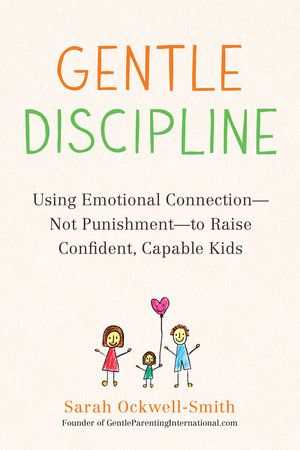
Gentle Discipline
Buy from:Filled with ideas to try today, Gentle Discipline helps parents of toddlers as well as school-age kids embrace a new, more enlightened way to help kids listen, learn and grow.
Buy from: -
Raising Securely Attached Kids
Buy from:Learn how to create a lifetime of connection, trust, and open communication with your children through connection-focused parenting.
Buy from: -
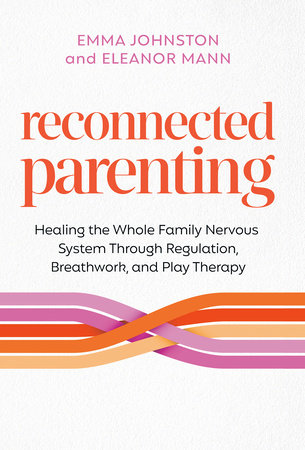
Reconnected Parenting
Buy from:This book takes parents from feeling disconnected to reconnecting with their true, authentic center, so they can be free to respond the way they really want to and create a life of ease, consciousness, and enjoyment in their family life.
Buy from: