How I Learned to Love Nonfiction Books for Kids
by Tom Burns
When I first started buying books for my young daughter, I was so eager to share the worlds of fiction and poetry with her — everything from Shel Silverstein to Harold and the Purple Crayon — that it just seemed like nonfiction books could wait.
Reality wasn’t fun, it wasn’t magical. She’d spend years dealing with the facts and figures of the world in school, so why should I have to worry about nonfiction now? Couldn’t we just read Goodnight Moon instead of, you know, actually learning anything about the real moon?
But then something truly magical happened — my daughter started talking.
She talked and talked and talked some more. And do you know what she wanted to talk about?
The world.
She would ask what felt like a million questions a day. In the beginning, the questions were simple. “Why?” “What’s that?” “But why?” But, soon, her curiosity developed a much better vocabulary and I was hit with questions ranging from the ultra-specific (“What kinds of clouds make up a tornado?”) to the positively esoteric (“Why do we exist, Daddy?”).
As these questions flooded in, two things became apparent. First, I knew much less about the natural world than I’d ever realized. (It’s pretty sad when, with one look from me, my daughter knew to say, “It’s okay, Daddy. You can look it up online.”) And, second and most importantly, my daughter wanted to answer some of these questions herself.
She didn’t want to get all of her information from me. She wanted to explore topics on her own. She wanted to take part in the discovery.
And, since she couldn’t Google the topics herself, her ideal discovery tools were books. Nonfiction books. The same books I’d turned my nose up at when putting together her home library.
While her storybooks opened doors into worlds of imagination, nonfiction books opened doors into someplace even weirder and more wonderful — our world.
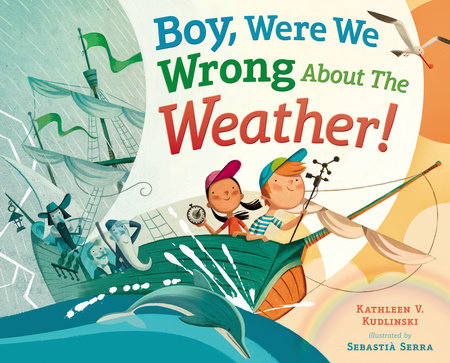
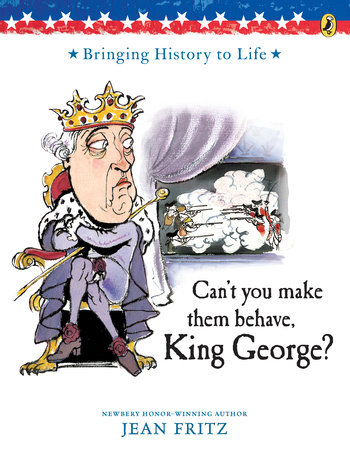
We would go to the library and she’d pick out one or two new picture books (we had loads of those at home) and emerge from the stacks carrying piles upon piles of nonfiction titles. Books on weather and lizards and Norway and animal attacks and the Revolutionary War and oceans and bees and whatever other topic had captured her fancy that week.
I was still involved in the process. I’d veto certain books, but, otherwise, I would let her pick the nonfiction titles she wanted and hang back. Sometimes I’d read the books to her. Sometimes she’d read them on her own. And, even if she couldn’t read 100% of the text, she still loved taking these big tomes filled with facts and photos, sitting by herself, and just browsing.
She was learning more about the world, on her own, at her own pace, and she loved it. The books were patient and accommodating and I could leave her alone with them, unlike the Internet. And, when she got confused, she’d ask me questions, resulting in some of the best and most interesting discussions we’ve ever had.
So, parents, learn from my mistake. Don’t neglect nonfiction. I understand that books on sharks, planets, or dinosaurs will probably never be as cool as Where the Wild Things Are, but nonfiction books don’t just exist for reference purposes. They exist to empower children. They exist to allow kids to actively seek out and digest knowledge on their own. And, as a parent, that’s a pretty amazing thing to behold.
-
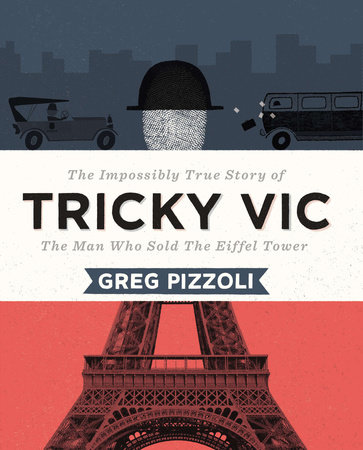
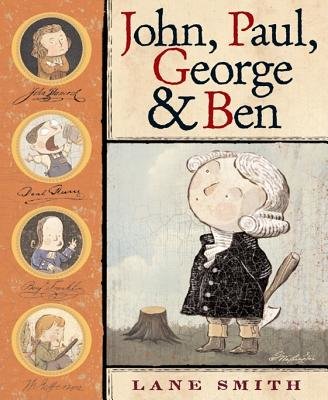
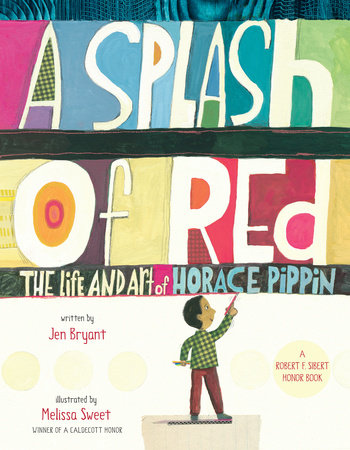
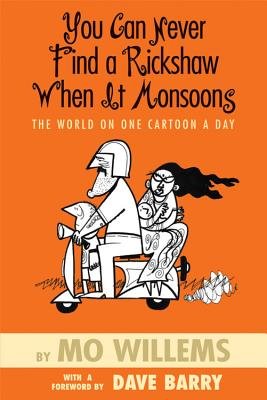
Some of Our Favorite Nonfiction Titles to Read Together:
-

-
-