
Holding Boundaries With Kids: Books To Help Parents Through Tough Moments
by Shivani Tyagi
Every parent has lived through that moment. You say, “No more screen time,” and before you’ve even finished the sentence, your child is already bargaining. Just five more minutes. Please. Just one. You repeat yourself. They cry. Or negotiate. Or collapse dramatically onto the floor as the world has ended.
Boundaries are part of everyday life, but for young kids, boundaries can feel difficult because they often come alongside disappointment. When something fun has to end or a desired answer remains “no,” children are still learning how to manage those big emotions.
And that’s exactly why books can be such a powerful parenting tool.
Not because books eliminate tantrums or magically fix behavior issues, but because stories help children understand emotions and limits in a way that feels safe and non-threatening.
Why Books Can Help With Boundaries
Young children’s brains are still very much under construction. A toddler who desperately wants one more turn on the swing isn’t necessarily being manipulative or defiant. In that moment, having to stop feels unfair.
Your “no” may sound reasonable to you. To them, it can feel like an abrupt end to something they care deeply about.
That’s one reason stories can do what a parent’s calm explanation sometimes can’t: they teach without feeling like a lesson.
Books normalize feelings without judgment. When children watch a character encounter a limit, they see that difficult feelings are survivable and part of being human.
Books also create a little emotional distance. A child can learn from a character’s experience without feeling corrected or criticized themselves. They can explore those feelings of disappointment, frustration, waiting, and acceptance before having to face those challenges in real life.
And they can help give parents language. The more stories we read together, the more opportunities we have to talk about feelings, choices, and challenges outside the heat of the moment. Those conversations are a lot easier when your child isn’t crying on the kitchen floor.
Stories don’t eliminate big emotions. They don’t prevent meltdowns. But they can help children build understanding over time. And that’s exactly what both parents and kids need.
Real Situations, Real Books
When It’s Time to Leave (and They Absolutely Won’t):
You’ve given the five-minute warning. You’ve reminded them twice. Yet when it’s finally time to go, the meltdown begins.
Instead of saying: “Come on, we’re leaving now!”
Try Saying: “I know you’re having fun. It’s hard to leave when you’re enjoying yourself. It’s time to go.”
The boundary stays the same, but your child feels understood.
Books To Help Support:
-

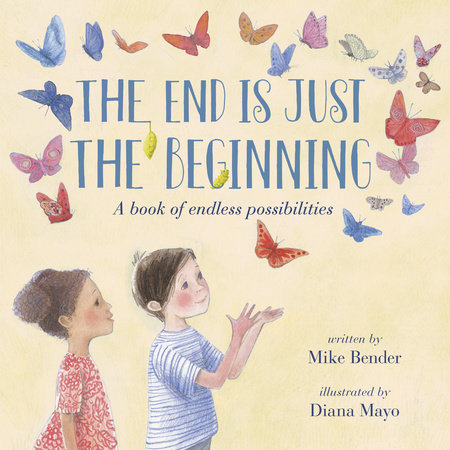
The End Is Just the Beginning
Buy from:From a finished bedtime story to a block tower tumbling down, this book explores all kinds of endings — and the new beginnings that follow. It can help kids see that leaving something they love doesn’t erase the fun they had; it simply means it’s time to move on to what comes next.
Buy from: -
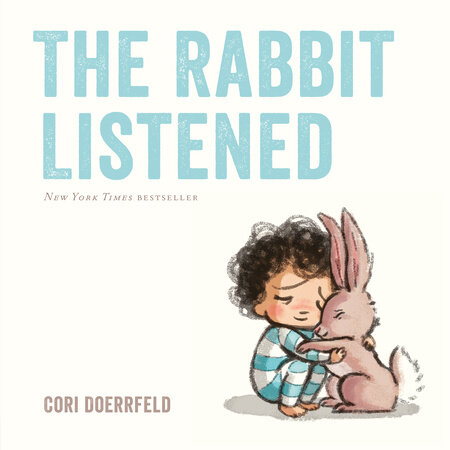
The Rabbit Listened
Buy from:When Taylor’s block creation comes crashing down, everyone has an idea for how to respond. Except Rabbit, who simply stays close and listens. For parents navigating a tough departure, it beautifully models how to acknowledge feelings without changing what needs to happen.
Buy from: -
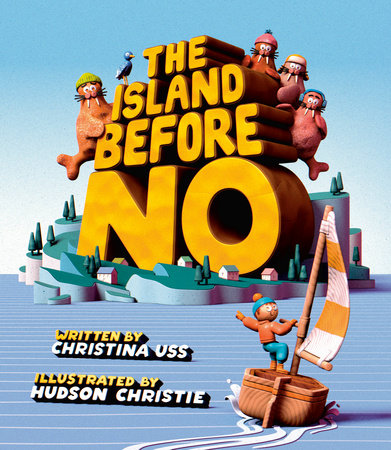
The Island Before No
Buy from:On an island where no one says “no,” everything is allowed until one child finally discovers the power of the word. The story opens up a playful conversation about why “no” has a place in family life, helping kids understand that a boundary can be loving even when it stops something they want to keep doing.
Buy from: -
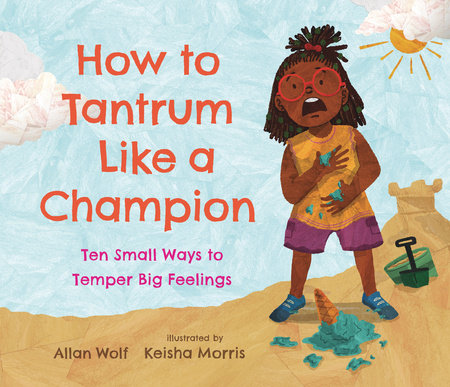
How to Tantrum Like a Champion: Ten Small Ways to Temper Big Feelings
Buy from:This playful guide takes kids through the many ways a tantrum can look and feel, before showing how all that big emotion eventually winds down. A fun way to reinforce that being upset when it’s time to leave is allowed, even as parents calmly keep the transition moving.
Buy from: -
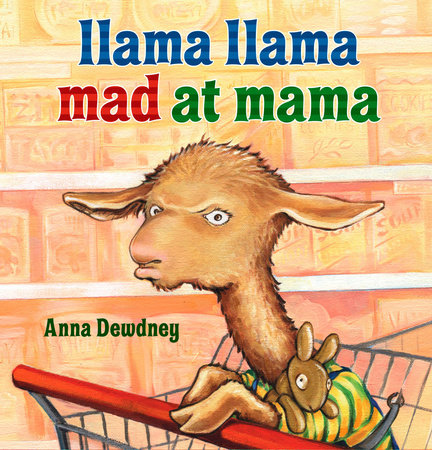
Llama Llama Mad at Mama
Buy from:Llama Llama has had enough of a long shopping trip and lets Mama know with a major meltdown. Instead of getting swept up in his anger, Mama helps him regroup and finish what they came to do. It’s a familiar picture of staying connected when a child is ready to be somewhere else, but the plan hasn’t changed.
Buy from:
When “No” Turns Into a Negotiation:
Whether it’s another cookie, a new toy, or more TV time, many children hope that enough persistence will eventually change the answer.
Parents may find themselves repeating explanations that aren’t really helping as kids struggle with the disappointment of not getting the outcome they wanted.
Try Saying: “I know you’re upset, and the answer is still no. I’m here with you.”
Acknowledge the feeling and hold the line so that they eventually learn to move through difficult emotions.
Books To Help Support:
-
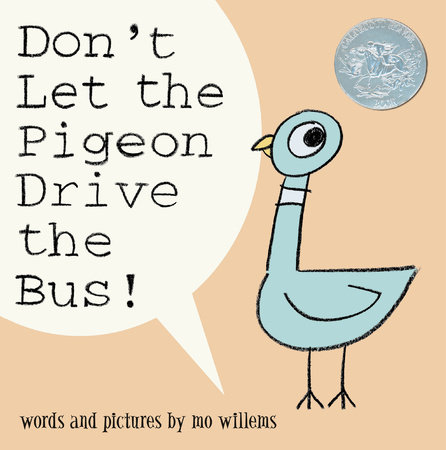
Don't Let the Pigeon Drive the Bus!
Buy from:The Pigeon tries just about everything to turn a “no” into a “yes”. Sound familiar? With plenty of humor, this fan favorite helps kids experience a firm boundary in a playful way: sometimes the answer stays no, no matter how much we really, really want it to change.
Buy from: -
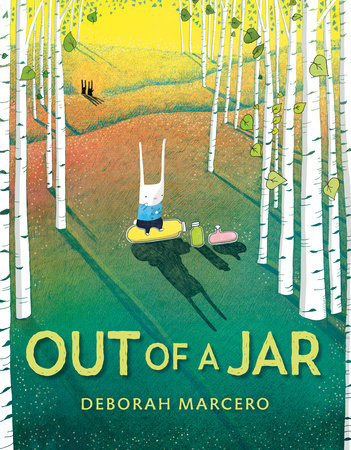
Out of a Jar
Buy from:Llewellyn struggles to cope with difficult feelings like sadness and anger, so he decides to bottle up every uncomfortable emotion. When the feelings finally burst out, he learns they’re meant to be felt. It’s a gentle reminder that when our kids hear “no,” we don’t have to fix their disappointment — we can help them feel it and move through it.
Buy from: -
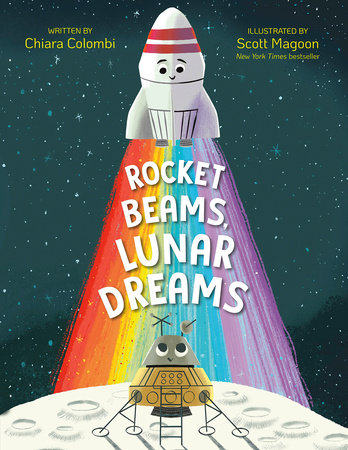
Rocket Beams, Lunar Dreams
Buy from:Rocket is excited to go to the Moon, but learns her job is to drop off Lander rather than explore the surface herself. She’s disappointed, but eventually finds a way through it. A great reminder for kids that we won’t always get the answer we want, and we can feel disappointed without needing that answer to change.
Buy from:
When Sharing Feels Hard:
Sharing is one of those skills parents expect children to know much earlier than when they’re actually developmentally ready.
Trying Saying: “You really want to keep playing with that. Waiting is hard.”Acknowledge the feeling before correcting. Children often calm down faster when they feel understood.
Books To Help Support:
-
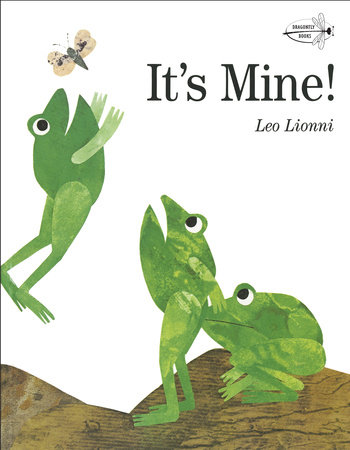
It's Mine!
Buy from:Three frogs spend their days arguing over what belongs to whom — until a storm forces them to come together. Their change of heart is a gentle way to show kids that sharing can be hard at first, while helping parents make space for those “mine!” feelings as children learn.
Buy from: -
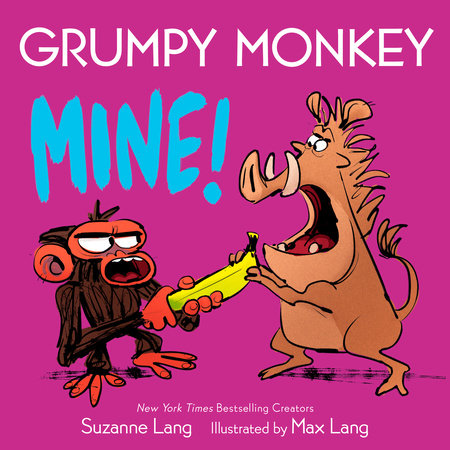
Grumpy Monkey Mine!
Buy from:Jim Panzee and Warthog both claim the very last banana, and soon everyone is arguing over whose it is — until Norman suggests sharing. It’s a funny, familiar way to help kids see that wanting something all to yourself is understandable, but sharing can offer another way forward.
Buy from: -
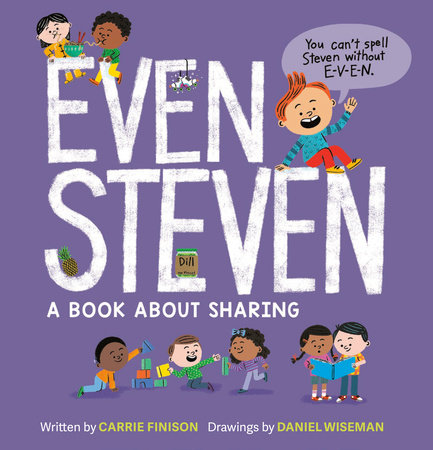
Even Steven
Buy from:Steven loves to share, as long as everything can be split perfectly in half. But he soon discovers that “even” and “fair” aren’t always the same thing. It's a good reminder for parents that kids can get stuck on what feels fair, and learning to share often requires flexibility, not perfect equality.
Buy from: -
Should I Share My Ice Cream?
Buy from:Gerald really wants his ice cream all to himself, but he also wants to share with Piggie. He goes back and forth for so long that it melts! Then Piggie arrives and shares hers with him. A funny reminder that it’s normal for kids to feel torn about sharing something they really love.
Buy from: -
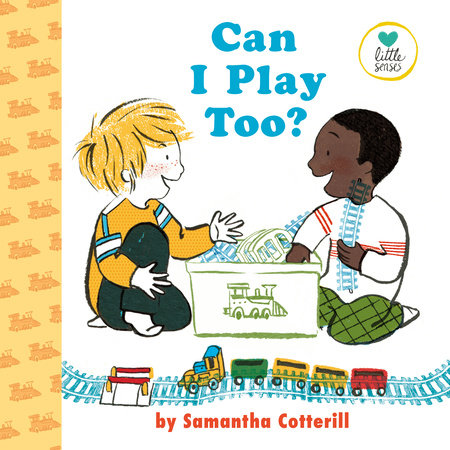
Can I Play Too?
Buy from:Two friends start building a train track together, but one takes over and misses the other’s growing frustration. With some help, they learn to notice each other’s feelings and try again. It's a lovely story that shows that sharing play means more than sharing toys. It also means making room for someone else’s ideas.
Buy from:

When Frustration Leads To Hitting:
When children hit, throw toys, or push others, our instinct is often to react quickly.
Try Saying: Be immediate and calm. “Hitting hurts. We don’t use our hands for hitting. Tell me what you need.”
Then, offer alternatives, like stomping, squeezing something, deep breaths, drinking water or taking a break. The goal is not to shame them for their feelings but to guide them toward safer ways of expressing them.
Books To Help Support:
-
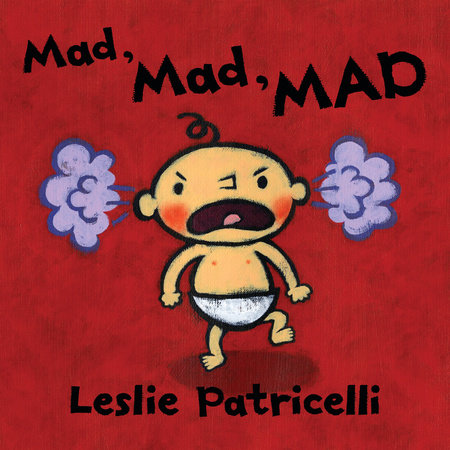
Mad, Mad, MAD
Buy from:Sometimes “no” leads straight to MAD — and that’s okay. This relatable, playful book helps little ones recognize what anger feels like and discover that it won’t last forever, reminding parents that we can stay close through the storm without changing the answer.
Buy from: -
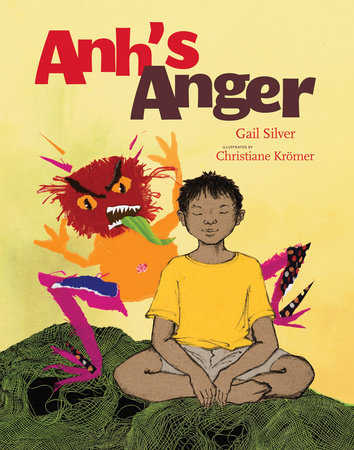
Anh’s Anger
Buy from:When Anh gets angry after Grandpa calls him away from play, he’s sent to “sit with his anger” — which soon appears as a character beside him. Together, they move, breathe, and talk until Anh is ready to reconnect with Grandpa, showing kids they can work through anger without letting it take over.
Buy from: -
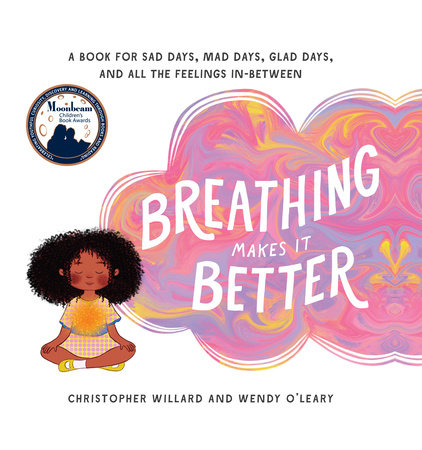
Breathing Makes It Better
Buy from:Through everyday moments of anger, fear, sadness, and other big emotions, children are invited to pause and breathe along with the story. It gives parents a practical tool to practice when everyone is calm, so kids have another way to respond when frustration starts bubbling over.
Buy from:
When Every Bedtime Feels Like a Battle:
Children thrive on predictability, especially at bedtime. A consistent routine helps them feel secure and makes the transition to sleep much smoother.
When they ask for one more book, a glass of water, another hug, remember they’re usually asking for more connection.
Try Saying: “I loved reading with you tonight. It’s time to sleep now, and I’ll see you in the morning.”
Books To Help Support:
-
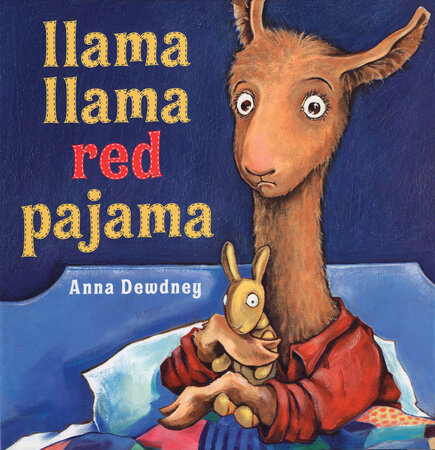
Llama Llama Red Pajama
Buy from:After Mama Llama tucks him in and heads downstairs, Llama’s worry grows from whimpers to full-on hollers. Mama returns with reassurance and love, but bedtime doesn’t end. It’s a relatable model for offering the connection kids are craving while keeping the nighttime boundary in place.
Buy from: -
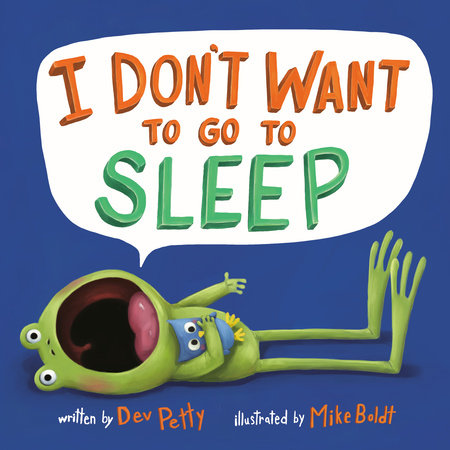
I Don’t Want to Go to Sleep
Buy from:Frog is horrified to learn he’ll hibernate all winter and miss the snowy fun, so he comes up with every reason not to sleep. His funny resistance will feel familiar to any parent of a bedtime negotiator — and offers a playful way to acknowledge just how hard it can be to stop the fun and settle down.
Buy from: -
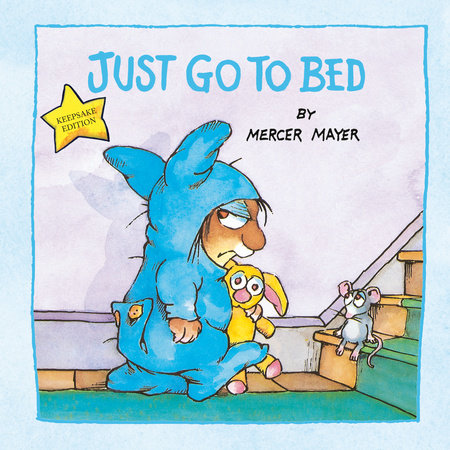
Just Go to Bed
Buy from:Little Critter would much rather keep playing than take a bath, put on pajamas, and go to bed. Parents will recognize the stalling, while kids see a familiar routine unfold step by step until, eventually, it really is time to sleep.
Buy from: -
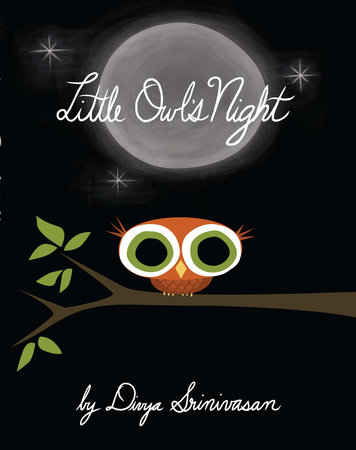
Little Owl’s Night
Buy from:Little Owl wakes as night begins and delights in everything happening around him. When he wonders if daytime is just as wonderful, Mama starts describing it—but he falls asleep as the sun rises. For kids worried about what they’ll miss while sleeping, it offers a cozy way to make bedtime feel less like an ending.
Buy from:
One Last Thing:
When you’re reading with your child, try not to turn the story into a lesson. You don’t need to read a book and then say, “See? Just like the pigeon, you can’t have what you want either!”
Read for enjoyment. Laugh and wonder together. Let your child make their own connections.
Kids are often absorbing far more than we realize. The lessons that stay with them aren’t always the ones we explain. They’re often the ones they discover for themselves.
Boundaries are one of the greatest gifts we can give our children. They create safety, predictability, and trust. Stories can’t make those boundaries disappear, but they can help children understand the feelings that sometimes come along with them.
And that can make those difficult moments feel a little less like a battle for everyone involved.