
Books To Help Kids Make Sense of Challenging Current Events
by Olugbemisola Rhuday-Perkovich
My seventh grader would probably go through the roof for a signed poster of the “PBS NewsHour’s” Gwen Ifill, and regularly checks to make sure I’m still a “sustaining member” of our local public radio station. Her humanities homework includes presidential debate watching, and she and her friends often discuss sustainability activities and the latest on standardized testing (in between watching Drake memes on YouTube). I’m glad that she’s engaged, but also sometimes have to squelch my inclination to shield her from news that I’m not comfortable discussing. Today’s news reports or political discussions can sometimes be more disturbing or demoralizing than anything else. So how do we encourage young people to pay attention to the world we live in without feeling powerless in the face of what often seem to be enormous challenges?
Resources created to help parents and educators share current events with children and teens abound, from youth-created newspapers to classroom-oriented newsmagazines like Upfront. The Morningside Center for Teaching Social Responsibility offers some helpful tips for how adults and children can discuss tough topics “in constructive, thoughtful, and sensitive ways.” And the books below can also provide a pathway for conversation, reflection, and action.
-
Conflict, Terrorism, War
Kids often hear about wars, upheaval, and community strife on the news or in conversation. These stories can leave families with questions, fears, and challenges as they try to comfort, empower, and guide children through a difficult world. These books can help kids think about the consequences and experiences behind conflict in accessible ways.
-

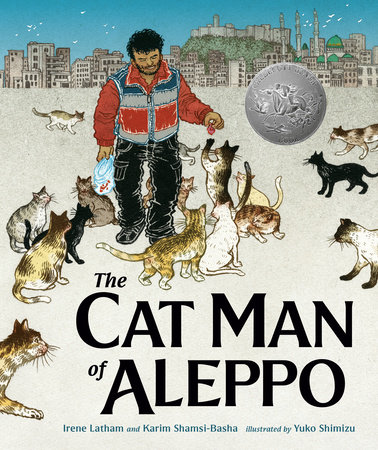
The Cat Man of Aleppo
Buy from:This Caldecott Honor-winning picture book tells the true story of Mohammad Alaa Aljaleel, who offered a safe place for abandoned cats in Aleppo during the Syrian Civil War. Eventually, his efforts expanded to include other animals and children. A moving story that’s sure to restore your faith in humanity.
(Ages 4 - 8)Buy from: -
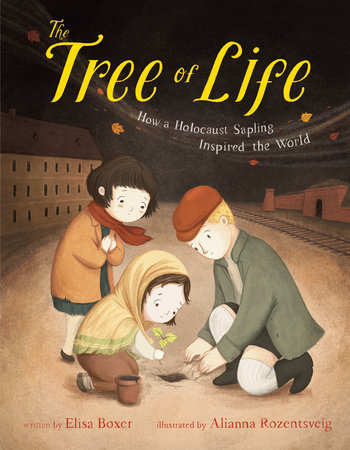
The Tree of Life
Buy from:When a group of Jewish children imprisoned in the concentration camp Terezin planted a small maple tree, they cared for it with what little they had. Against all odds, the tree grew, and its 600 descendants have since been planted around the world. The tree and its story offer a gentle, accessible take on hope and resilience during dark times.
(Ages 5 - 9)Buy from: -
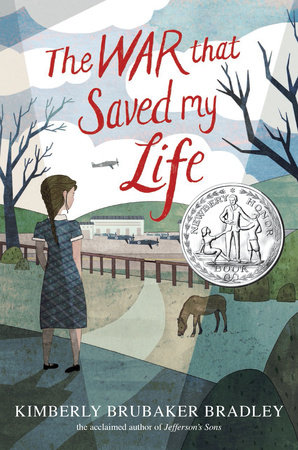
The War That Saved My Life
Buy from:During World War II, a young girl with a clubfoot escapes an abusive home when evacuated from London. As she finds safety, friendship, and self-worth in the countryside, she learns resilience amid the upheaval of war.
(Ages 9 - 12)Buy from: -
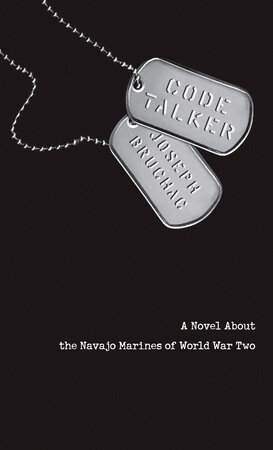
Code Talker
Buy from:Ned Begay, a 16-year-old Navajo boy, was told that his Native language was useless — but it’s that very language and culture that empowers him to serve in World War II by transmitting coded messages to outwit the enemy.
(Ages 12+)Buy from:
-
Immigration and Displacement
People move for many reasons, like safety, opportunity, or a sense of belonging. Because immigration stories are so often in the news, children may hear about dangerous border crossings, families being separated, or agencies like ICE carrying out mass deportations, often operating with aggressive and indiscriminate conduct. These books focus on the human side of immigration — exploring how moving to a new place feels, how identity evolves, and how empathy and connection can bridge differences.
-
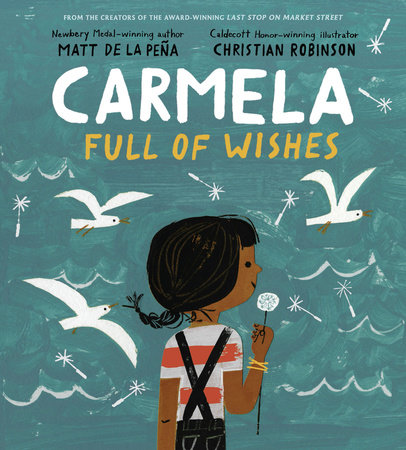
Carmela Full of Wishes
Buy from:When Carmela finds a dandelion growing in the sidewalk, she contemplates the many wishes she can make with it. Will she wish for a candy machine? Or for her father’s immigration papers to be fixed so he can finally come home? When a fall causes her to crush the flower, Carmela’s brother helps her to find hope for her dreams in unexpected places.
(Ages 4 - 8)Buy from: -
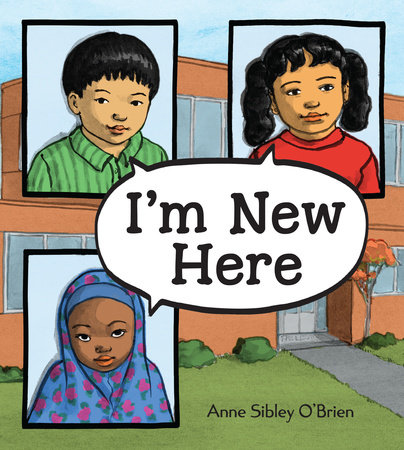
I’m New Here
Buy from:Three students from three countries — Korea, Somalia, and Guatemala — struggle to belong in a new school. Through art, sports, language, and more, a celebration of inclusion and diversity emerges. An author’s note includes resources for discussion of immigration.
(Ages 5 - 8)Buy from: -
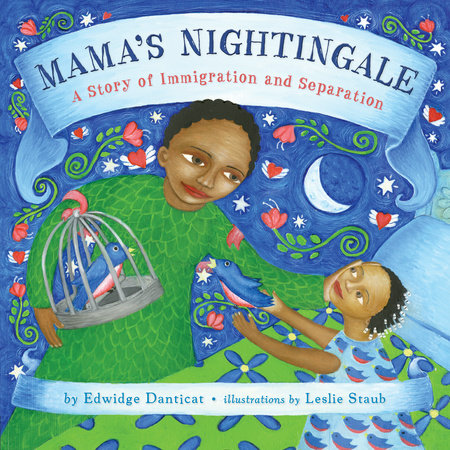
Mama’s Nightingale: A Story of Immigration and Separation
Buy from:Award-winning author Danticat tells a finely wrought tale in English and Kreyol of a mother in detention and the daughter who is empowered to become an advocate on her mother’s behalf.
(Ages 5 - 8)Buy from: -
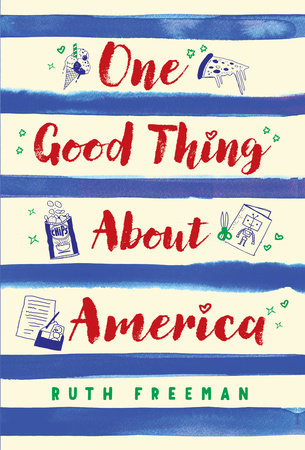
One Good Thing About America
Buy from:In Africa, Anaïs was one of the best students in her English class. But in America, her new home, she doesn’t seem to know anything about English. Here with her Mama and little brother Jean-Claude, Anaïs worries about her Papa, big brother, and grandmother back in Africa… and the fighting that forced them to flee. This middle grade novel explores what it’s like to be a refugee in America, and reminds us that America — at its core — is a nation of immigrants.
(Ages 8 - 12)Buy from:
-
Criminal Justice and Incarceration
Children may notice conversations about fairness, rules, and how societies treat people differently. These books open doors to discussions about how justice works, why these systems sometimes fail the people they’re meant to protect, and how empathy, fairness, and community responsibility play a role in making things better.
-
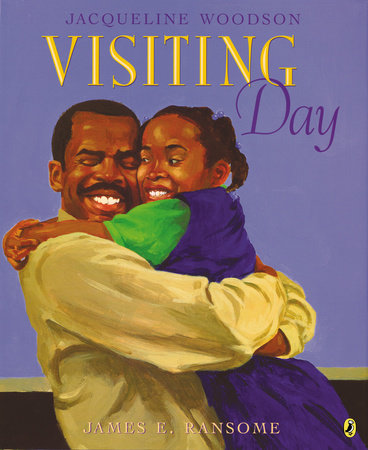
Visiting Day
Buy from:Jacqueline Woodson’s tender picture book reminds readers that those who are incarcerated are human beings, with lives and connections that go beyond prison walls. Ultimately a hopeful celebration of a father-daughter bond, Visiting Day offers hope to children dealing with separation or loss.
(Ages 5 - 7)Buy from: -
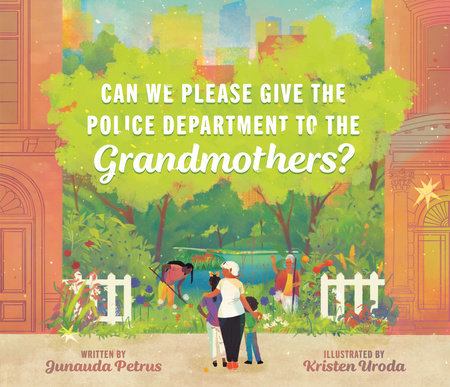
Can We Please Give the Police Department to the Grandmothers?
Buy from:This picture book envisions a radically positive future in which police aren’t in charge of public safety and well-being, but rather a community-based approach to safety and mutual aid.
(Ages 4 - 8)Buy from: -
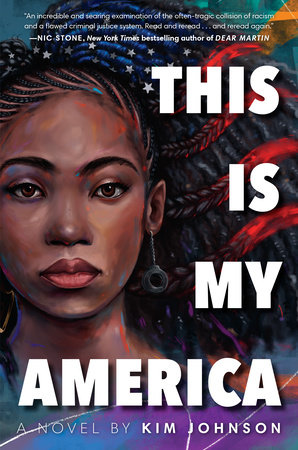
This Is My America
Buy from:Seventeen-year-old Tracy fights to free her innocent father from death row and protect her brother after his arrest, uncovering deep racial injustice within her community and the criminal justice system.
(Ages 12+)Buy from: -
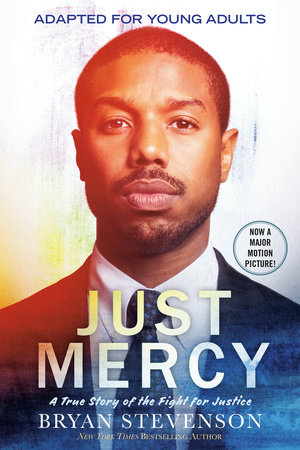
Just Mercy (Young Adult Adaptation)
Buy from:This is the powerful true story of lawyer Bryan Stevenson’s fight for justice for the wrongly accused and marginalized, offering young readers insight into inequality and compassion in the U.S. justice system.
(Ages 12+)Buy from:
-
Gender Identity and Discrimination
Questions about gender and personal identity aren’t going away, and kids benefit from narratives that reflect diverse experiences. These books help young readers understand themselves and others with respect, curiosity, and compassion.
-
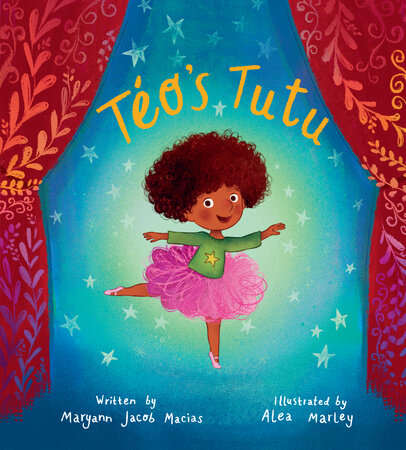
Téo's Tutu
Buy from:When Téo dons his favorite tutu for the big dance recital, he worries he’ll be judged but ultimately learns to be true to himself. A joyful, affirming story about self-expression and belonging.
(Ages 3 - 5)Buy from: -
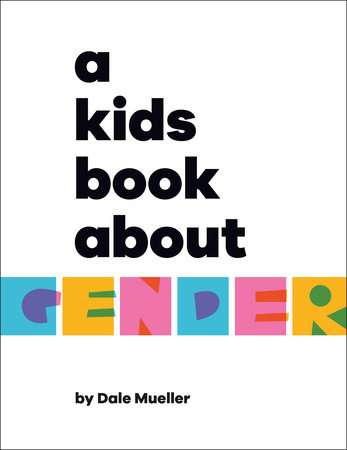
A Kids Books About Gender
Buy from:This friendly, inclusive guide to gender identity and expression explains terms and concepts in kid-friendly language — perfect for sparking understanding and respectful conversations.
(Ages 5 - 9)Buy from: -
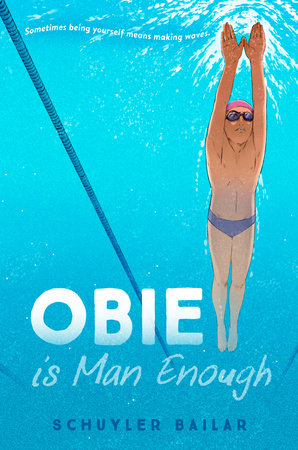
Obie is Man Enough
Buy from:As a transgender tween starting over on a new swim team, Obie works to build confidence, handle bullies, and find his place. With support from family and new friends — and a first crush — he learns what it means to be himself.
(Ages 10+)Buy from: -
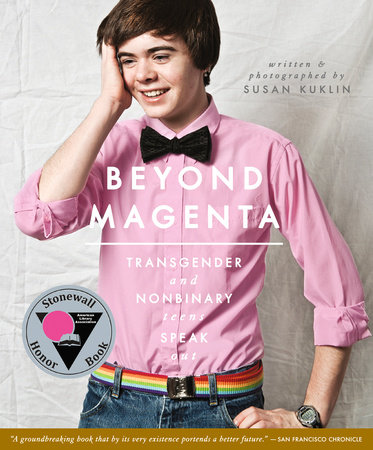
Beyond Magenta: Transgender Teens Speak Out
Buy from:Six transgender or gender-neutral youth are presented honestly and robustly as individuals, members of families, and communities, and as young people living full lives in this lovingly photographed book.
(Ages 14+)Buy from:
-
Environment and Conservation
The environment faces many threats, from drought and wildfires to garbage filling up the oceans. For children who want to read books that help them explore the natural world and our relationship to it, try:
-
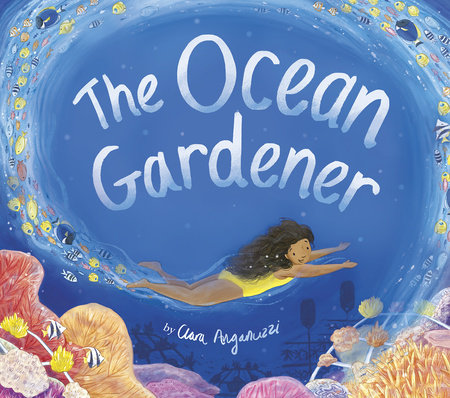
The Ocean Gardener
Buy from:When Ayla and her mother notice that a section of coral reef surrounding their island has died, they decide to take action. They (carefully) transplant living coral to a tank inside their home, where it grows and flourishes until they can re-plant it in the ocean. Inspired by actual events, this beautifully illustrated picture book introduces young readers to marine conservation.
(Ages 3 - 7)Buy from: -
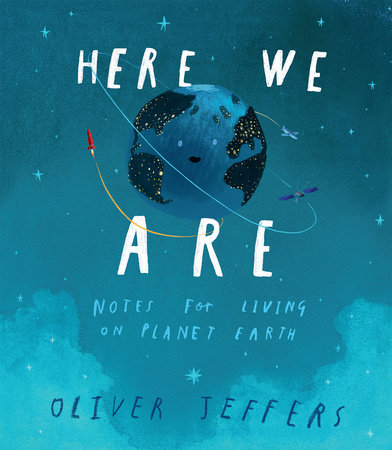
Here We Are
Buy from:Beloved children’s book creator Oliver Jeffers uses informative text and quirky illustrations to deliver a practical guide to living on Earth. From caring for the environment to getting along with others, this bestselling book offers children an insightful and thought-provoking introduction to the planet they call home.
(Ages 3 - 7)Buy from: -
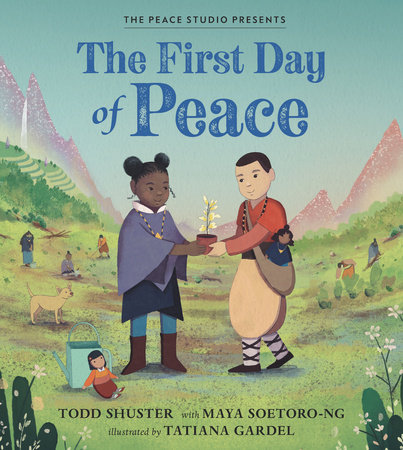
The First Day of Peace
Buy from:During a drought, two groups of people vehemently defend their water sources from each other. Later, when the drought gives way to floods, both groups realize they are stronger when they work together. This modern fable helps children understand why people fight over resources and how to resolve these conflicts peacefully.
(Ages 4 - 8)Buy from: -
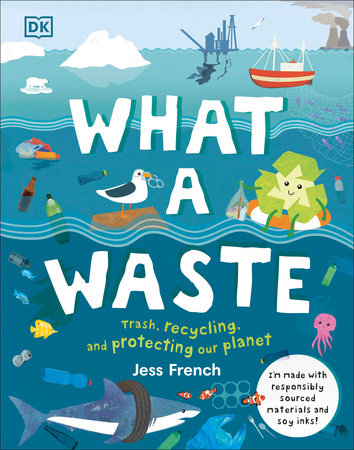
What a Waste
Buy from:When you toss something in the trash, it doesn’t disappear. In this highly informative book, children will learn what happens to the trash they create and how they can keep it from ending up in the environment. From conserving water and recycling to making homes more energy-efficient, readers will learn how to reduce and reuse their waste.
(Ages 6 - 9)Buy from: -
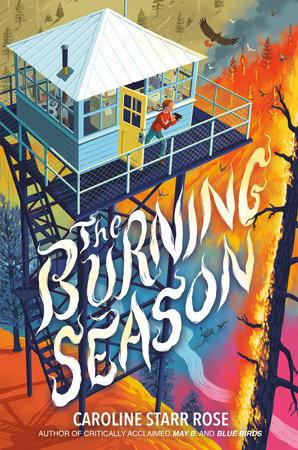
The Burning Season
Buy from:A 12-year-old fire lookout-in-training must confront her fear of fire and summon the courage to protect her family and land when a wildfire breaks out in the New Mexico wilderness. Gripping action, combined with information on climate change and wildfire management, makes this a masterful survival story.
(Ages 10+)Buy from:
-
Racism in America
As the United States becomes more diverse, disagreements and cultural clashes will also increase. To help your child learn to respect everyone, no matter their race or background, try these books:
-
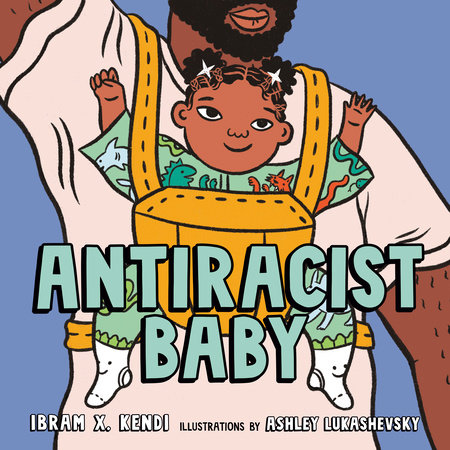
AntiRacist Baby
Buy from:This #1 New York Times bestselling picture book introduces little readers to what it means to be an antiracist. Through nine steps, babies and children will learn to stay curious about others, not judge people by their skin color, and speak out against racism.
(Ages 0 - 3)Buy from: -
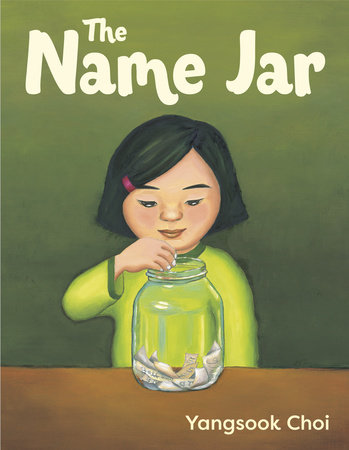
The Name Jar
Buy from:When Unhei moves to the United States from Korea, her classmates tease her about her name. Desperate to fit in, she tries out the English names her classmates put in a jar for her. But when the jar goes missing, Unhei decides to keep her Korean name and teach her peers how to pronounce it.
(Ages 5 - 8)Buy from: -
Main Street
Buy from:Kids (and adults) who don’t know what redlining is will find a simple explanation in this picture book. A girl named Olivia learns that when her elderly neighbor was young, the bank refused to let them buy a house in certain neighborhoods. They joined forces with friends and neighbors to fight back against the inequality.
(Ages 7 - 10)Buy from: -
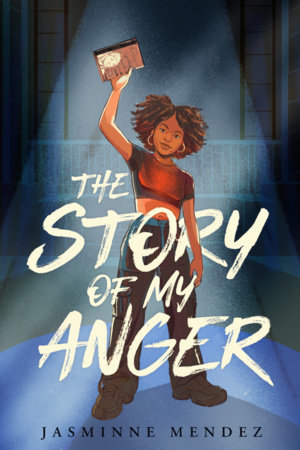
The Story of My Anger
Buy from:This young adult novel tackles issues such as racism, book banning, and learning to use your voice. Yuli is tired of being the good girl who never makes a fuss. When her theater teacher refuses to cast Black students in lead roles and dozens of books are banned from school, she starts a rebel theater club to fight back. This YA novel will resonate with young people who notice injustices and are looking for ways to feel seen and heard.
(Ages 12+)Buy from:

-
Book Banning
Book banning has been an ongoing issue in the United States for several years. These books can help answer kids’ questions about why books get banned, how book bans harm everyone, and ways they can challenge bans in their schools and classrooms.
-
The Day the Books Disappeared
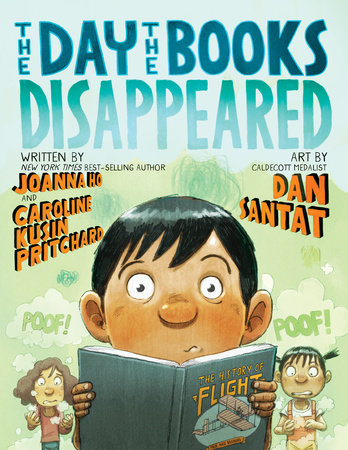
Buy from:Arnold loves reading about airplanes and can’t understand why anyone would read about anything else. When he accidentally makes his friends’ books disappear, he doesn’t notice how sad they are. But when Arnold’s beloved book also vanishes into thin air, he gets a taste of his own medicine. This charming story teaches kids to keep an open mind and expand their horizons while also delivering a subtle message about the dangers of book banning.
(Ages 3 - 7)Buy from: -
A Kids Book About Banned Books
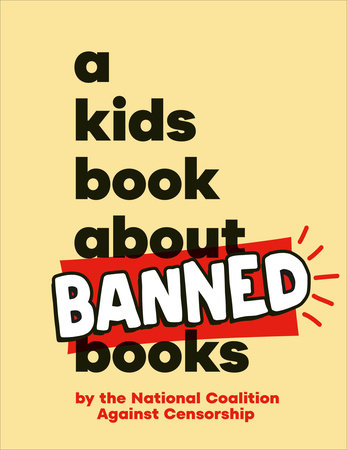
Buy from:With bold, easy-to-read text, this book introduces kids to the concept of book banning, what it is, and why it’s not a good idea. Written by experts in this field, this book is an excellent resource to jump-start conversations about why books get banned and how to challenge the bans.
(Ages 5 - 9)Buy from: -
Property of the Rebel Librarian
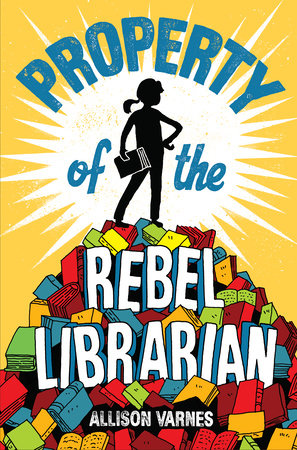
Buy from:When June’s parents go on a book-banning spree at her middle school, her world gets turned upside down. However, June discovers a way to fight back by creating a little free library of banned books in an empty locker at school. This novel addresses book banning and censorship using plenty of humor and a feisty heroine who puts everything on the line for the freedom to read.
(Ages 8 - 12)Buy from: -
Answers in the Pages
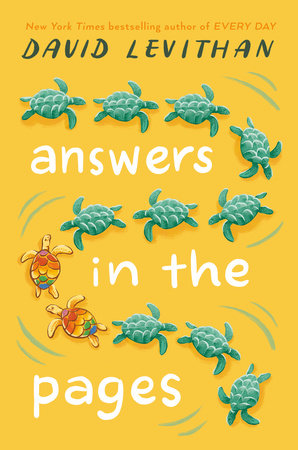
Buy from:From the New York Times bestselling author of Every Day comes another young adult novel about growing up and standing up for your beliefs. When Donovan’s parents try to get a book banned from his school because the main characters are gay, he faces a dilemma of his own. If he stays quiet, the book will get banned, but if he speaks up, he will also have to come out to his parents.
(Ages 8 - 12)Buy from: -
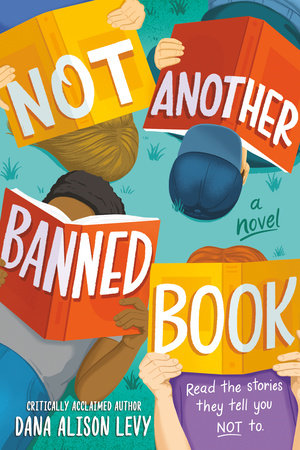
Not Another Banned Book
Buy from:Through thick and thin, Molly has depended on her school book club. When a classroom book gets banned, her teacher suspended, and the book club canceled, Molly is devastated. To protest the ban, Molly and her friends hatch a plan to show everyone how important their book club is.
(Ages 10+)Buy from:
-
School Violence
Many kids today carry questions and feelings about school safety, fear, and how communities respond when something scary happens. These books help young readers name emotions, understand trauma and healing, and find empathy and resilience in the face of difficult realities. They offer gentle tools and perspectives for families and classrooms to talk about these feelings and find hope.
-
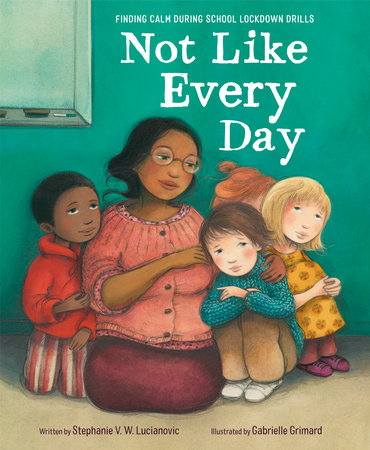
Not Like Every Day
Buy from:During a school lockdown drill, Henry grapples with anxiety and fear. With the support of his teacher, he learns grounding techniques and calm, making this a compassionate book for talking about school safety and emotions.
(Ages 4 - 8)Buy from: -
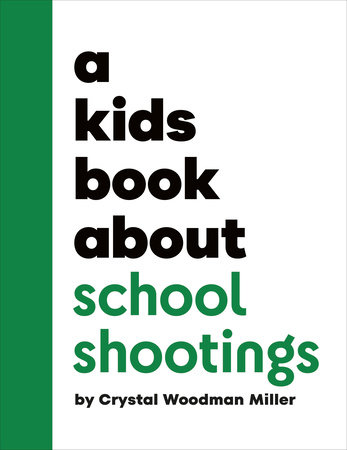
A Kids Book About School Shootings
Buy from:This age-appropriate guide helps kids understand school shootings, process emotions, and learn about safety and resilience while offering reassurance and space for conversation.
(Ages 5 - 9)Buy from: -
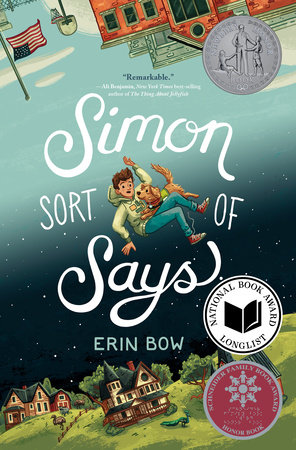
Simon Sort of Says
Buy from:After surviving a school shooting, 12-year-old Simon moves to the National Quiet Zone — the only place in America where the internet is banned — to escape attention and build a new life. Balancing trauma, humor, and friendship, he learns to face his past and find hope.
(Ages 8 - 12)Buy from:
Editor’s Note: This article was originally published in 2015 and updated in 2026.