Kate DiCamillo has a gift, inequitably distributed among writers of all kinds, of eliminating the obvious and still egging on the reader. She writes beautifully but thinks simply. The purity of her prose – the reader goes from paragraph to paragraph delighting in the wonderful simple sentences – only adds to the winsome purity of her vision.
—New York Times Book Review
DiCamillo’s carefully crafted prose creates an evocative aura of timelessness for a story that is, in fact,
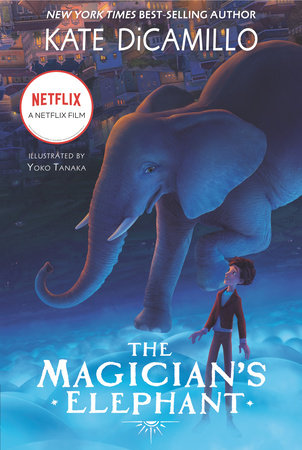
timeless. Tanaka’s acrylic artwork is meticulous in detail and aptly matches the tone of the narrative.
—School Library Journal (starred review)
Reading like a fable told long ago, with rich language that begs to be read aloud, this is a
magical story about hope and love, loss and home, and of questioning the world versus accepting it as it is.
—Kirkus Reviews (starred review)
From the unexpectedly miraculous feats of a two-bit illusionist to the transformative powers of love, forgiveness, and a good mutton stew, there is much magic afoot in this fable-like tale… The profound and deeply affecting emotions at work in the story are buoyed up by the tale’s succinct, lyrical text, gentle touches of humor, and uplifting message of redemption, hope, and the interminable power of asking ‘what if?
—Booklist (starred review)
Thoughtful readers will feel a quiet satisfaction with this almost dainty tale of impossible happenings.
—VOYA
DiCamillo’s allegorical novel seems to pack more mass per square inch than average. The plot is fantastical, surreal…And the prose is
remarkable, reflecting influences from Kafka to the theater of the absurd to Laurel-and-Hardy humor.
—The Horn Book
The mannered prose and Tanaka's delicate, darkly hued paintings give the story a somber and
old-fashioned feel. The absurdist elements—street vendors peddle chunks of the now-infamous opera house ceiling with the cry “Possess the plaster of disaster!”—leaven the overall seriousness, and there is a happy if predictable ending for the eccentric cast of anguished characters, each finding something to make them whole.
—Publishers Weekly
Kate DiCamillo tells a tale of ‘hope, redemption, faith, love, and believing in the impossible’ with her usual quiet elegant prose.
—Library Media Connection
Tanaka’s shadowy, evocative acrylic paintings echo the dreamy nature of the storytelling and add a surprising amount of solidity (and a particularly nice elephant).
—Bulletin of the Center of Children’s Books