🌟 Free Rock 'n' Reading Adventure Park Summer Reading Tracker → 🌟
Get Our Free Summer Reading Tracker →

Summer learning loss isn’t a myth. But just a few minutes of learning a day can keep kids’ brains from becoming sieves over the summer.

We rounded up some awesome journals to help busy parents quickly reflect on day-to-day life, record milestones, and preserve memories for their kids.
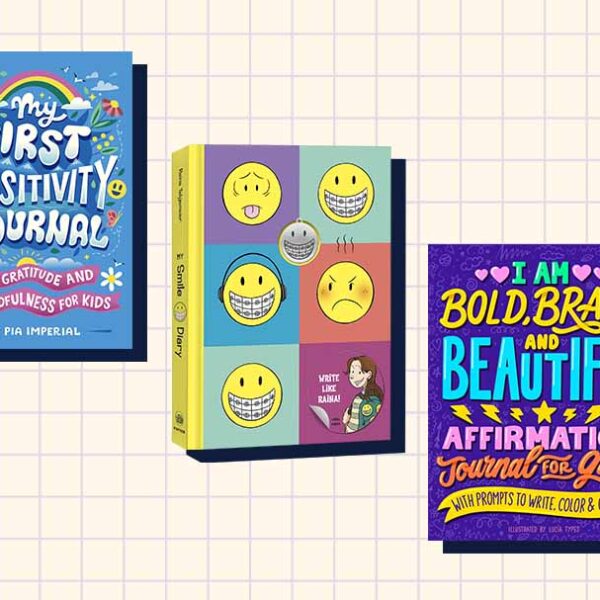
Journals offer tweens and teens a place to explore their feelings, practice their writing skills, reflect on their goals and dreams, and more.
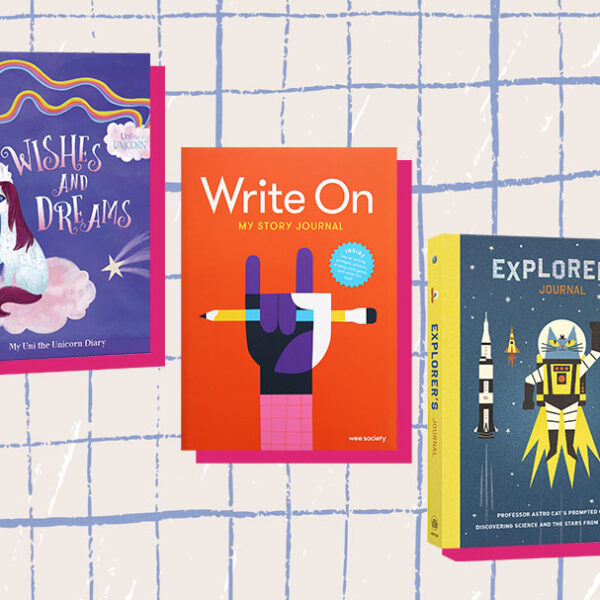
Grab your pencils and pens! These enticing journals spark creativity and develop self-awareness in children. And they make great gifts.

If you have an aspiring writer at home, or a child struggling with a writing assignment for school, here are some books that provide inspiration and advice.

When Susin Nielsen began setting pen to paper, she had no idea just how “of the moment” her new middle grade novel, No Fixed Address, would be in 2018.

The best ghost towns are full of stories, discoveries, mysteries, and possibilities — and that’s exactly what I found in the ghost town where I grew up.

When author Alexandra Penfold recently found a state test report that deemed her “minimally proficient in writing” in fourth grade, she reflected on what the result now means to her.

Sometimes, a middle grade novel just needs a fresh pair of eyes — or 34 of them.

Despite the rise of technology, kids still need to know how to write a letter to someone, even if it’s via email. Use these playful picture books in the classroom to model communication, letter structure, and writing with voice.

I stand in front of an auditorium chock-full of wide-eyed fourth, fifth, and sixth graders. We’re discussing my Newbery Honor book Three Times Lucky and I’ve come to the dangerous part of the presentation: Questions & Answers.

Studying fantastic mentor texts exposes students to examples that elevate their personal narrative writing. To expand your classroom’s collection of personal narrative mentor texts, consider these picture books.

Throughout his life, Pulitzer Prize-winning poet Gregory Pardlo has witnessed poetry’s ability to spur the imagination and take readers “beyond language, beyond the literal.”

That space between what the written words are saying and what the pictures are showing is where all the power and wonder are hidden.